
Switchable Glass Installation Mistakes to Avoid (2026)

The most common switchable glass installation mistakes are ordering panels before final measurements, planning power after the glass is picked, wiring every room to a single switch, using retrofit film where a sealed panel belongs, and treating the material like decorative tint. Each one is cheap to avoid in planning and expensive to undo after install day.
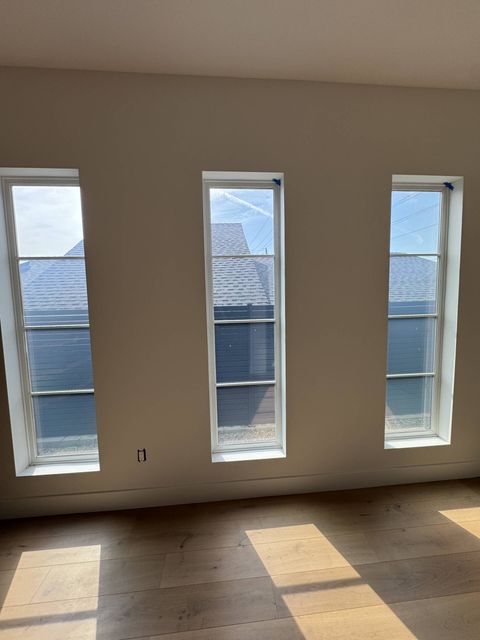
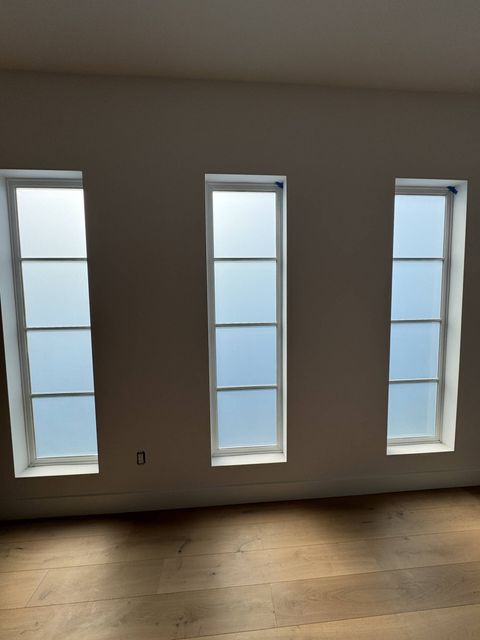
We measure, fabricate, and install this product every week across Los Angeles, which means we also get called to fix projects that went sideways. Here are the mistakes behind most of those calls, and what doing it right looks like.
Why do measurements sink more projects than anything else?
Switchable panels and film are fabricated to size — custom-cut, with the busbar (the powered edge connection) placed for your specific glass. There is no trimming a too-big panel on site the way a carpenter scribes a cabinet. Order off early or optimistic numbers and the reorder, not the install, becomes the biggest line on the project.
The details that catch people: frames slightly out of square, measuring the full frame instead of the visible glass, and multi-pane openings where every lite is its own cut. Our switchable glass windows in the Hollywood Hills are a good example — three tall openings, each divided into four panes, which is a project you measure pane by pane, not window by window. Final numbers get confirmed after the glass and frames are settled, and larger projects get a site measure before anything is fabricated.
Power planning comes before the glass, not after
Every switchable panel needs a low-voltage feed: the film or glass connects through its busbar to a transformer, and the transformer to your wall switch, remote, or smart-home controller. Decide where that wiring lives before the glass goes in and it disappears into the frame or the wall. Decide after, and your options shrink to surface-mounted runs or opening up finished drywall.
The transformer is part of the plan too — each independently switched zone needs its own circuit, sized to the glass area it drives. On our installs the low-voltage wiring is run and tested by our own licensed crew (CA lic. #1134029), and material-only orders ship with the matched transformer and a wiring guide so your electrician isn't guessing. For the full sequence, from transformer placement to the bus-bar connection, see how smart glass is wired and installed.
One switch for the whole house
Wiring every panel to a single master switch looks efficient on the quote and feels wrong within a week of living with it. A zone is a group of panels that always switch together — so the honest question is which rooms genuinely share a privacy moment. A bathroom and the hallway beside it don't. Frost-everything-or-nothing is the most common regret we hear from people who inherited someone else's install, and re-zoning after the fact means new transformer circuits and new wiring runs. Decide the zones while they're still pencil lines on the plan.
Retrofit film where a sealed panel belongs
Retrofit film is the right call for most interior glass — it bonds to the dry, room-side face of panes you already own. But where the glass takes moisture or weather, the film's edges and electrical layer need to live sealed inside laminated glass instead: shower screens in the spray path, exterior glazing, skylights. That build is switchable glass — the same PDLC layer laminated between two sheets of glass, with nothing exposed. Putting film where a sealed panel belongs is the one mistake on this list that can't be corrected in place; the fix is replacement.
Treating the material like decorative tint
PDLC looks like a film, so it gets handled like the static films a tint shop applies. It isn't one. There is an electrical layer inside — creases and trapped bubbles don't squeegee out later, the busbar edge has to be protected and connected cleanly, and every panel should be power-tested before the crew leaves. This is where an experienced installer earns the fee: surface prep, dust control, and a dry fit before anything touches adhesive. In the LA metro, our smart glass installation team handles all of it end to end; if you're ordering material-only from elsewhere in the country, follow the wiring guide and give the application more patience than any tint you've handled.
The reverse mistake is applying switchable film over glass that is already treated. Existing window tint, sun-control film or frosted vinyl gets in the way of the bond and muddies the clear state, so it comes off as a separate prep step before the switchable film goes on. If the pane itself is tinted or coated, we evaluate it case by case before quoting, and sometimes a new laminated switchable panel is the more sensible call than a retrofit.
What planning ahead actually saves
None of these mistakes make the product fail — they add costs the project never needed: a remake fee here, a drywall patch there, a re-zoning visit later. A single small window usually starts around $1,500 fully installed, and the projects that stay near their estimate are the ones where measurements, wiring, and zones were settled before fabrication. That planning conversation is free, and it's exactly what the estimate process is for.
Quick answers before your install
Can I install switchable film myself?
We don't recommend it. The application is unforgiving — one trapped bubble, speck of dust, or crease and the film can't be re-applied, which is why most "faulty film" complaints in this industry are really failed self-installs. We install across the LA metro, and material-only film orders are supplied to licensed contractors, glaziers, and trade installers. Smart glass panels are different: the switchable layer is sealed inside the glass, so any glazier can fit them like a standard unit.
How long does it take to install smart film?
Most single-room retrofits are applied, wired, and tested in one day. Multi-window projects take longer and are scheduled around the opening count, sometimes as one visit and sometimes as a few. New-construction panels are set with the glazing work, so the switchable side adds little to the overall timeline when it is planned in early.
What if my measurements were wrong?
Caught before fabrication, it costs nothing — dimensions are confirmed before cutting. After fabrication, a wrong measurement usually means remaking that panel, which is why we quote from your photos and rough sizes but verify the final numbers before anything is cut.
The pattern in every mistake above is the same: decisions made after the glass that should have been made before it. Request your estimate or call (866) 728-9888 with photos and rough measurements, and we'll come back with real numbers — and the planning questions — within one to two business days.