
The Ultimate Guide to Smart Glass Installation

A smart glass installation is a wiring job as much as a glass job: the panel or film needs clean surface prep, a low-voltage power run, and a correctly sized transformer to switch reliably for the next decade. This guide walks through every technical requirement — wiring, surface prep, transformers, and the professional standards that separate a flawless install from a callback.
Planning a project? Our smart glass installation service handles the full scope across the LA metro, and the retrofit path is covered on our smart film installation page. New to the technology? Here is how smart glass works. Budgeting the project? Our smart glass cost guide breaks down materials and installation per square foot.
Smart glass technology, powered by Polymer Dispersed Liquid Crystal (PDLC), has transitioned from a futuristic concept to a standard requirement for high-end privacy and energy management. Whether you are an architect, a general contractor, or a property owner, understanding the mechanics of a successful installation is vital. A proper installation does not just ensure the glass "works"; it ensures the longevity of the PDLC chemistry, the efficiency of the thermal barrier, and the seamless integration with modern automation systems.
When planning a residential smart glass installation, understanding the structural and electrical requirements is the first step toward a successful outcome. This guide breaks down the professional standards we adhere to at Smart View Film Solutions to ensure every project meets rigorous technical specifications.
What is the Difference Between Smart Film and Integrated Smart Glass?
The installation methodology depends entirely on whether you are using a retrofit film or a factory-laminated glass panel.
Laminated Smart Glass consists of the PDLC layer sandwiched between two pieces of tempered glass using specialized interlayers like EVA (Ethylene Vinyl Acetate) or PVB (Polyvinyl Butyral). These units arrive as completed architectural glass panels. They are typically thicker and heavier than standard glass, requiring specific glazing pocket depths to accommodate both the glass and the internal wiring.
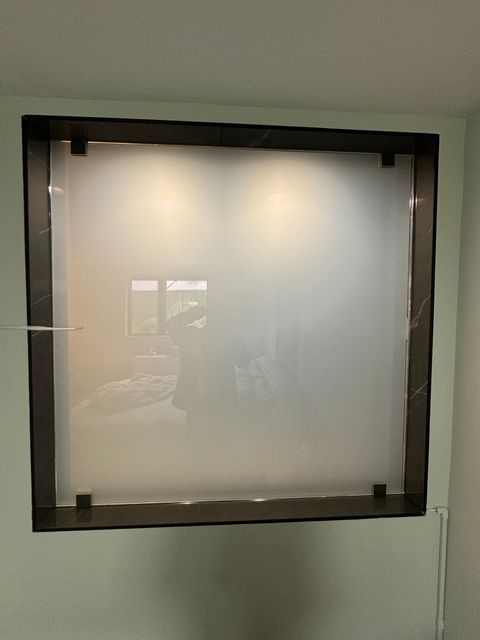
Self-Adhesive Smart Film is a retrofit solution. This PDLC film is manufactured with a pressure-sensitive adhesive on one side, allowing it to be applied directly to existing glass surfaces. While the film is thinner, the installation requires an extremely clean environment and surgical precision to avoid debris entrapment. Both technologies rely on the same electrical principles: when an electric current (typically 48V to 65V AC) is applied, the liquid crystals align to make the glass transparent. Without power, they scatter light, creating an opaque privacy barrier.
How Do You Prepare a Glass Surface for PDLC Film Application?
The success of a smart film installation is determined long before the film touches the glass. Surface preparation is the most critical phase. Any microscopic dust particle, lint, or chemical residue trapped under the film will create a "bubble" or a visual defect that cannot be removed once the adhesive cures.
We utilize a multi-stage cleaning process. First, the glass is scraped with a professional-grade stainless steel blade to remove heavy contaminants like paint overspray or silicone residue. Following this, the surface is cleaned with industrial-grade isopropyl alcohol and lint-free microfiber materials.
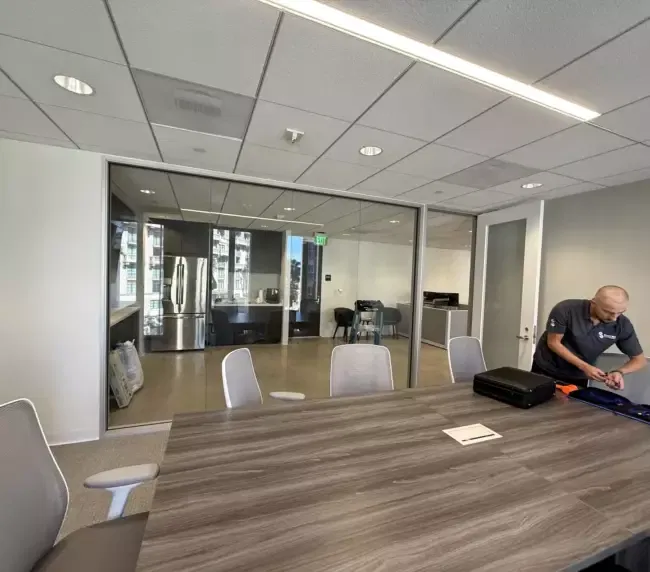
In many Southern California environments, static electricity can attract dust to the glass surface during the cleaning process. Professional installers use anti-static measures and controlled air movement to ensure the environment remains "clean-room" adjacent during the application. You can explore our recent smart film projects to see how these high-standard preparations result in a flawless, crystal-clear finish in commercial and residential settings alike.
What Are the Electrical and Wiring Requirements for Switchable Glass?
Smart glass is an electrical appliance as much as it is a glazing product. Each panel or film section requires a connection to a power transformer. The standard electrical requirement is a 110V AC input, which the transformer steps down to 60V or 60V AC.
Key technical considerations for wiring include:
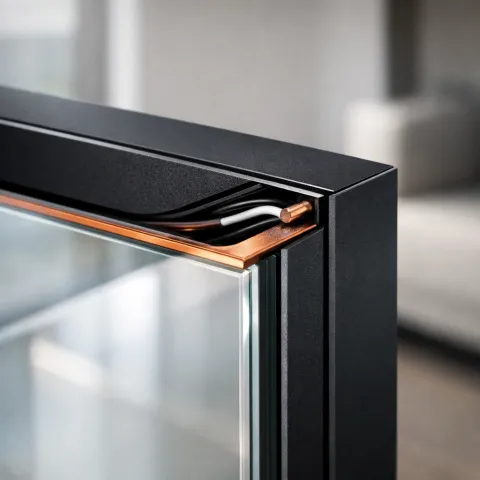
- Busbar Placement: The busbar is the thin copper strip along the edge of the film where the wires connect. These must be strategically placed: usually along the top or the hinged side of a door: to be concealed by the glazing beads or frames.
- Wire Gauge: We typically use 18-22 AWG multi-strand wire for the low-voltage side.
- Concealment: In frameless installations, we utilize specialized "transfer loops" or concealed channels to move the wire from the glass edge into the wall or ceiling cavity without visible cabling.
- Grounding: Any metal framing in proximity to the electrical connections must be properly earthed according to local electrical codes.
How Is Smart Film Precisely Applied to Existing Windows?
The application of PDLC film uses a "dry" installation method, unlike traditional window tints that use a "wet" slip solution. Because the PDLC layer contains sensitive electronic components, excess moisture can lead to delamination or electrical shorting at the edges.
The film is custom-cut using CNC machinery to ensure a tolerance of 1.5mm to 3mm from the edge of the glass frame. This gap is intentional; it prevents the film from touching the frame, which could cause "edge-pull" or electrical grounding issues. Once aligned, the protective backing is removed, and the film is rolled onto the glass using specialized pressure rollers to eliminate air pockets.
What Role Do Transformers and Control Systems Play in Performance?
The transformer is the "brain" of the smart glass system. It doesn't just provide power; it regulates the voltage to ensure the liquid crystals react uniformly across the entire surface area. If the voltage is too low, the glass may appear "hazy" or "ghosted" rather than fully clear.
Modern installations frequently integrate with smart home and building management systems. We regularly configure our systems to work with:
- Lutron/Savant/Creston: Direct integration via relays or 0-10V dimming modules.
- Mobile Apps: Control via Wi-Fi or Bluetooth-enabled transformers.
- Wall Switches: Traditional high-voltage switches or low-voltage momentary buttons.
- Sensors: Photocell sensors that automatically trigger the glass to go opaque when the sun reaches a certain intensity, cutting harsh afternoon glare.
While many factors influence the final investment: including the complexity of the control system and the total square footage: our smart glass cost page publishes the real numbers behind each line item, and you can request a custom quote to get a detailed breakdown for your specific project requirements.
How Do You Ensure Long-Term Durability After the Installation?
The durability of smart glass depends heavily on "edge sealing." Since the PDLC layer is sensitive to moisture and chemicals, the edges must be sealed with a neutral-cure silicone. Using the wrong sealant (such as acid-cure silicone) will chemically attack the PDLC layer, leading to permanent discoloration or "clouding" around the perimeter.
Furthermore, proper operation is essential. Smart glass is designed to be "on" (clear) during the day and "off" (opaque) at night. Leaving the glass in the clear state 24/7 can shorten the lifespan of the transformer and the liquid crystal response. We recommend installing timers or automated controllers to ensure the system gets a "rest" period, which maintains the integrity of the technology for decades.
FAQ
Does smart glass require a special type of window frame?
Most standard aluminum, wood, or vinyl frames can accommodate smart film or glass. However, for integrated smart glass, the frame must be wide enough to handle the increased thickness of laminated panels and have internal cavities for wire routing.
Can I install smart film on my own?
While DIY kits exist, we strongly advise against it for high-end applications. The electrical requirements, specialized cutting, and extreme sensitivity to dust mean that professional errors are expensive to fix. For those looking to retrofit existing windows, professional smart film installation ensures a bubble-free, high-performance finish that carries a full warranty.
Is smart glass energy efficient?
Yes. PDLC technology blocks over 99% of harmful UV rays and can significantly reduce infrared light (heat) transmission. By switching to opaque during peak sunlight hours, you can reduce the load on your HVAC system, especially in the intense Southern California sun.
Does the film require a battery to operate?
No. Smart glass and film require a constant connection to a dedicated electrical circuit via a transformer. It does not run on batteries due to the voltage required to align the liquid crystals across large surface areas.
How do I clean the glass once the film is installed?
You should treat smart film like an electronic component. Clean it with a soft, slightly damp microfiber cloth using a mild, non-ammonia cleaner. Never "soak" the glass or allow liquid to pool at the edges where the electrical connections are located.
Get a Professional Site Evaluation
Smart glass is a sophisticated merger of chemistry, electronics, and traditional glazing. At Smart View Film Solutions, we pride ourselves on delivering installations that are technically flawless and aesthetically perfect. Whether you are looking to enhance privacy in a luxury master suite or upgrade a corporate boardroom, our team provides the expert oversight needed to ensure your project's success.
Stay informed by reading our latest guide on the benefits of UV-blocking window technology and how it protects your interior investments.
Ready to transform your space with switchable privacy technology?
Contact the experts at Smart View Film Solutions to talk through the technical specifications of your project — send a few photos through our contact page and you'll have a written quote within one to two business days.
Or call us at (866) 728-9888 to talk it through.