
Smart Film for Windows: No Glass Replacement

Most LA buyers spec’ing privacy glass don’t actually want new glass — they want the privacy benefit on the windows already in their home or office. Replacing the glass means demolition, downtime, and a dust event nobody scheduled. Smart film does the same job without any of that.
This guide covers smart film for existing windows: what it actually retrofits to, what it doesn’t, and the five essentials we walk every retrofit client through during the first site measure. Every fact below comes from a real LA-area install we’ve shipped in the last 12 months.
Why Retrofitting Beats Replacing the Glass
Glass replacement on a finished home or office is expensive and disruptive. Crews have to remove trim, pull the existing pane, install a new pane, re-glaze, and re-finish — often days of work per opening. Smart film bonds to the interior face of the existing glass in hours per opening, with no demolition.
The performance trade-off is essentially zero: PDLC smart film delivers the same clear-to-frosted privacy as integrated smart glass, at a fraction of the project cost and timeline. The catch is that the existing glass has to be the right candidate.
5 Essential Facts Before You Retrofit
- 1. It bonds to the interior face of the glass, not the exterior. Retrofit film always installs on the room-side face. That keeps the film protected from weather and UV degradation, and keeps cleaning straightforward (interior glass care only, not exterior film care).
- 2. The glass needs to be cleanable to clean-room standards before application. Bubble-free retrofits start with bubble-free glass prep. Dust, residue, or trim caulk anywhere near the install zone can cause delamination later. Most professional installs spend more time on glass prep than on the film application itself.
- 3. Single-pane, IGU, and laminated assemblies all work — with caveats. Single-pane glass is the easiest retrofit candidate. Insulated Glass Units (IGUs / double-pane) work fine because the film goes on the interior face. Laminated glass (security or acoustic glass) works and adds STC benefits. The only failure mode: heavily tinted or frosted glass already in place — film performance drops on those.
- 4. The control wiring is the bulk of the install effort. The film itself goes on quickly. The low-voltage driver, wall-switch wiring, and control-system tie-in (Lutron / smart-home / phone app) is where most of the install time and complexity lives. Decide the control path before the electrician arrives, not on install day.
- 5. Lifespan on a quality retrofit is 10+ years. Quality PDLC film with a warranted install lasts as long as the glass it’s bonded to. Cheap kits yellow or delaminate inside 12–24 months. The choice of film matters far more than the choice of installer technique — start with the right material.
Locking those five down before install day is exactly what our smart film retrofit checklist walks through, step by step.
Where the Retrofit Makes the Most Sense
Across the LA-area projects we ship, a film retrofit earns its cost most clearly in five room types:
- Residential bathrooms — frosted on demand, clear when the light matters; no permanent vinyl, no replacement glass.
- Bedrooms with street-facing windows — open during the day, private after dusk, no blinds to fuss with.
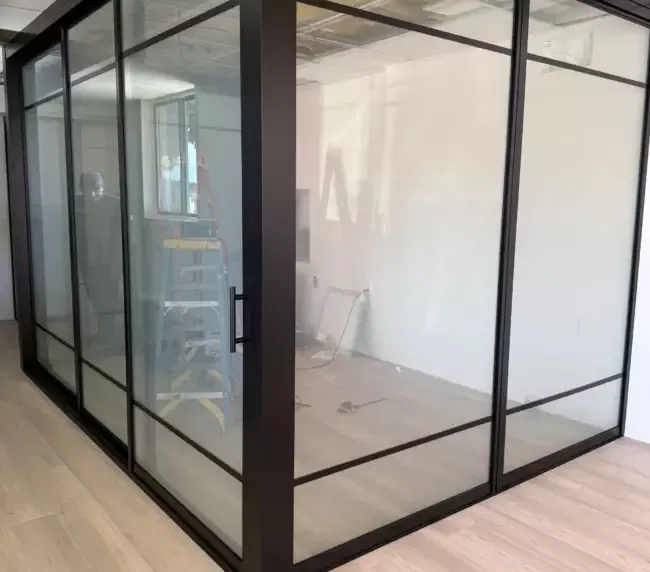
- Conference rooms with existing single-pane glass partitions — convert collaborative-mode walls to switchable-privacy walls without re-glazing the suite.
- French doors and patio doors — switchable privacy on the doors people open most, where blinds are awkward.
- Storefronts — clear during business hours, frosted (or branded) after hours, no permanent treatment.
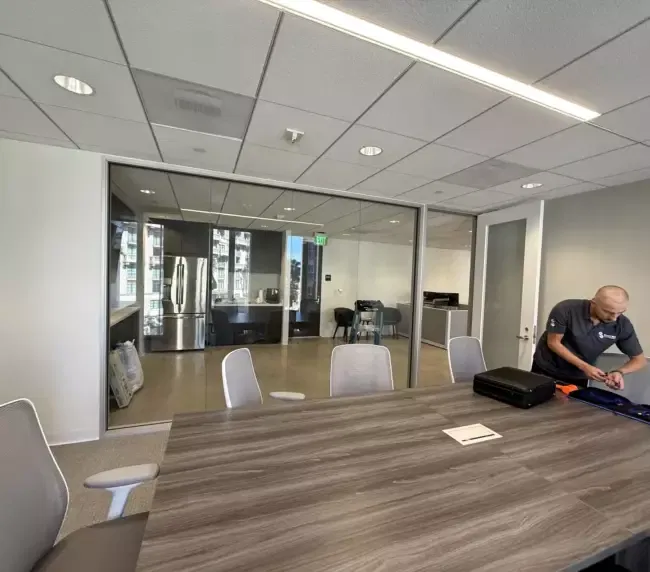
Each of these patterns shares the same logic: the existing glass already does its job, you just need privacy on top of it. Smart film delivers that without removing a single pane. Period properties are their own case — smart film for older homes covers how the retrofit respects original glass, sashes, and trim.
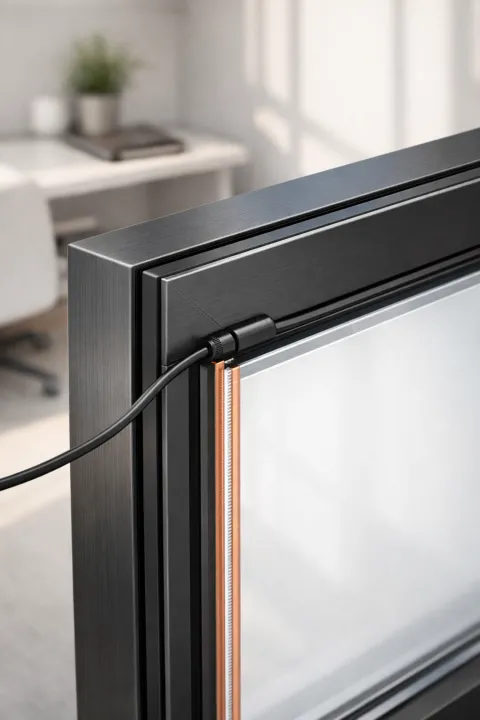
Retrofit vs Glass Replacement — Side-by-Side
The decision between a film retrofit and a full glass replacement comes up on most retrofit conversations. Each row below is the answer we give clients during the consult phase.
- Cost. A film retrofit typically runs 30–50% of the cost of equivalent integrated smart glass replacement, because there’s no demolition, no new pane manufacturing, and no re-glazing labor.
- Timeline. Per-opening retrofit time is hours, not days. Most residential projects (50–100 sq ft) finish in a single working day. Glass replacement on the same scope can run 3–5 days.
- Disruption. Retrofit means interior work only — no exterior glazing, no scaffolding, no dust event. Glass replacement means demolition.
- Performance. Performance parity is essentially zero on the privacy dimension. Switchable PDLC film delivers the same clear-to-frosted behavior as integrated smart glass. The only difference: integrated smart glass can be slightly thinner for the same effect, useful only on glass walls where every millimeter matters.
- Lifespan. Quality retrofit film lasts as long as the underlying glass — 10+ years routinely. Integrated smart glass lasts the life of the glass too. Both are long-term solutions.
The retrofit path wins for almost every residential project and most commercial retrofits. New construction is the only context where integrated smart glass makes a stronger case, because the glass is being ordered fresh anyway.
A Pasadena Bathroom Retrofit Reference
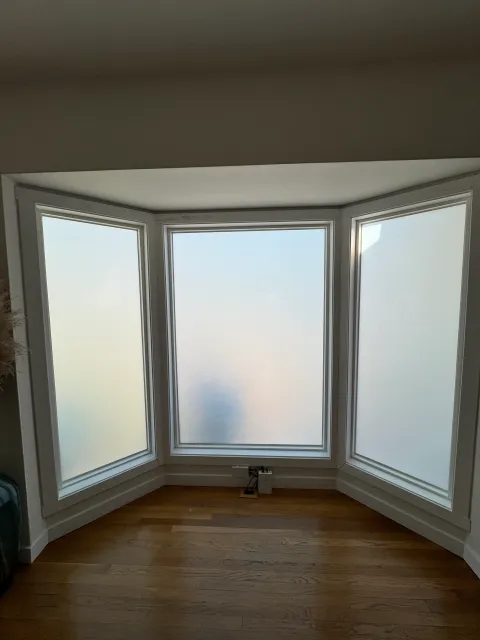
The cleanest example of this retrofit pattern applied to a residential project is a Pasadena bathroom-window retrofit we shipped this year. Single-pane existing glass, street-facing exposure, homeowner wanted on-demand privacy without changing the look of the window from the outside. Install completed in one working day; control wired to a wall switch and a phone app.
Full project breakdown: smart glass on a Pasadena bathroom window — same retrofit pattern applied to a single real residential scope.
Quote on Your Retrofit?
If you already have the glass, send a few photos and rough measurements and we can scope most of this remotely before anyone visits. Reach us through the contact page and we will come back with the spec we would recommend and what it would cost.