
Vetting a Smart Glass Installer: 7 Top Questions (2026)

Smart glass installers vary widely in spec depth, install rigor, and warranty discipline. The cheap-online-kit installer and the trained PDLC specialist look the same on a Google search results page — until the install lands and the difference shows up in delamination, control flicker, or driver placement that a homeowner can’t reach. Vetting your installer correctly up front saves the rip-and-replace cost down the line.
This guide walks the seven vetting a smart glass installer questions we recommend every LA homeowner ask before signing a quote. Each comes from real consult conversations and the rescue installs we’ve shipped across LA-area homes in the last 12 months.
Why the Vetting Matters Before You Sign
Most botched switchable-glass installs we get called in to rescue share a common cause: the homeowner picked the cheapest quote without asking the seven questions below. The product itself is reliable when spec’d correctly — failures almost always trace to install-side decisions made before the first wipe-down on glass-prep day. Vetting the installer up front is a 30-minute conversation that catches most of those decisions while they’re still cheap to fix.
The seven questions below are the ones we recommend every prospective buyer raise on the consult call.
The 7 Questions to Ask
- 1. What product grade are you installing — DIY kit, mid-grade PDLC, or warranted professional film? The spec gap between the three is enormous. DIY kits fail in 12–24 months; mid-grade fails in 4–6 years; warranted professional PDLC ships with a 10+ year lifespan. The cost gap is roughly 1.5–2× across the three tiers; the lifespan gap is 5–10×.
- 2. How long have you been installing switchable smart glass specifically? Window-tint installers and switchable-film specialists are different trades. Switchable film requires PDLC-aware glass prep, low-voltage driver placement, and control-path planning — a generic tint shop usually doesn’t carry that depth. Ask for project count and years on switchable specifically.
- 3. Can I see 3 reference installs you’ve shipped in the last 12 months? Reference installs reveal whether the installer ships consistently or one-offs successfully. Ask for 3 references with comparable scope to your project; call at least 1 and ask about the install timeline, post-install issues, and warranty experience.
- 4. What’s your control-path planning process before glass is ordered? A good installer makes the wall-switch / smartphone app / smart-home integration decision during the consult, not on install day. If the installer waves off the question with “we’ll figure it out at install,” that’s a flag — control retrofitting after install is significantly more expensive than planning up front.
- 5. Where will the low-voltage driver live, and is that location accessible long-term? The driver has to live somewhere — cabinet, ceiling cavity, utility closet. A rigorous installer identifies the driver location during site measure and confirms long-term accessibility with the homeowner. A rushed installer plants the driver wherever’s convenient on install day, often in a spot the homeowner can’t reach for service.
- 6. What does your written warranty cover, and for how long? The product warranty (manufacturer) and install warranty (installer) are distinct. Ask for both in writing. Quality installers warrant the install for 5+ years; product warranties on professional PDLC are 10+ years. If the installer hedges on the warranty length or won’t put it in writing, that’s the loudest possible flag.
- 7. How do you handle service calls in months 13–60 after install? Most failures (control flicker, edge bubbles, driver issues) surface in the second through fourth year, after the typical 12-month “labor warranty” expires. A quality installer has a clear service-call process and rate sheet for years 2–5 — vague answers here predict you’ll be paying premium emergency rates when something does fail.
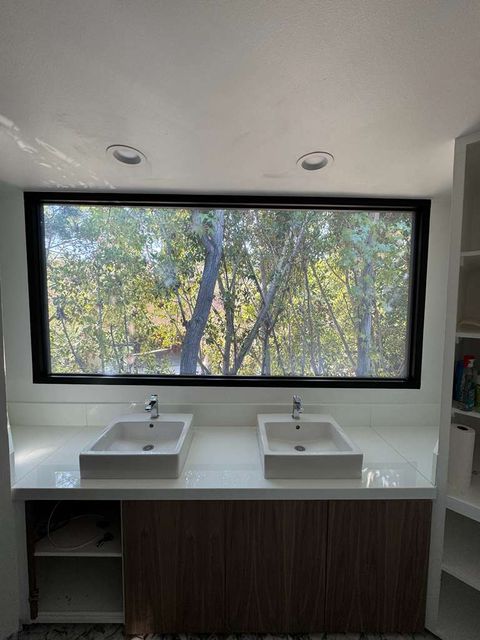
For broader context on what a credible smart glass company looks like end-to-end (team experience, install discipline, warranty stance), see our smart glass company page — covers the company-side answers to questions 2, 3, 6, and 7 above.
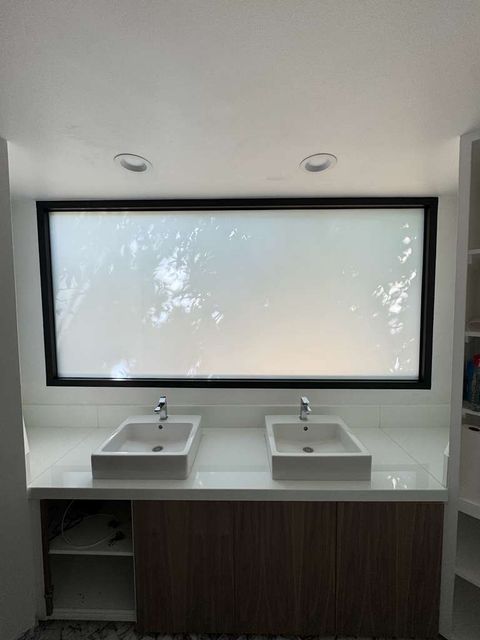
Where Careful Vetting Pays Back Most
The vetting process pays back fastest on three project types where install-side errors are most expensive to recover from:
- Multi-glass residential projects (3+ glass surfaces). Same install error repeated across multiple surfaces becomes a substantial debugging exercise. Vetting once up front saves the multi-room rescue call.
- Class A commercial projects with BMS integration. Control-path errors are particularly expensive on BMS-integrated installs because retrofitting Crestron/Lutron/Savant integration after install requires re-pulling cable.
- Custom-cut switchable-glass projects with brand marks or shaped cuts. Shape-cut and brand-mark installs leave less margin for installer error — a quality installer catches the spec issues during measure; a cheaper installer ships a visible defect.

How One Thorough Vet Compounds Across a Multi-Project Portfolio
For homeowners or property managers planning multiple switchable-glass projects across 12–24 months, vetting once thoroughly and locking in a single installer is dramatically more efficient than re-vetting on each project. The installer learns your spec preferences, your control-system standards, and your warranty expectations on the first project; subsequent projects ship faster and cleaner because the relationship is already calibrated.
This is one of the patterns we see most often on Class A commercial portfolios and luxury-residential property managers — one trusted installer, repeated scope, fewer rescue calls.
An LA French-Door Reference
For a residential project that surfaced four of these seven vetting questions during the consult phase, our LA French-door install is the cleanest reference. Original buyer plan included a cheap online kit (failed question #1) and no control-path decision (question #4). Both caught during the design walk; switched to professional-grade PDLC with a wall-switch + smartphone app pairing.
Full project breakdown: smart glass French doors in Los Angeles — single residential scope, full vetting playbook applied.
Planning a Smart Glass Install?
Outside the LA metro? We supply film and glass materials per project and guide your licensed installer on the spec. Get in touch through the contact page with your dimensions and we will confirm what fits and what it costs.