Switchable Smart Film Installation Guide: Mastering PDLC Technology
Learn the technical requirements for smart glass film installation. Discover PDLC technology basics, electrical wiring, and professional application tips from Smart View.
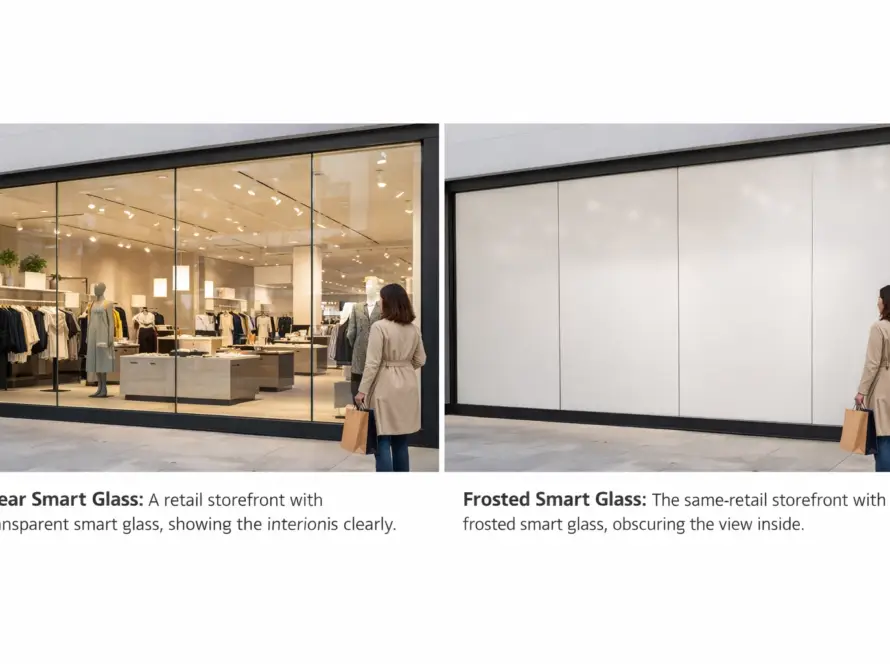
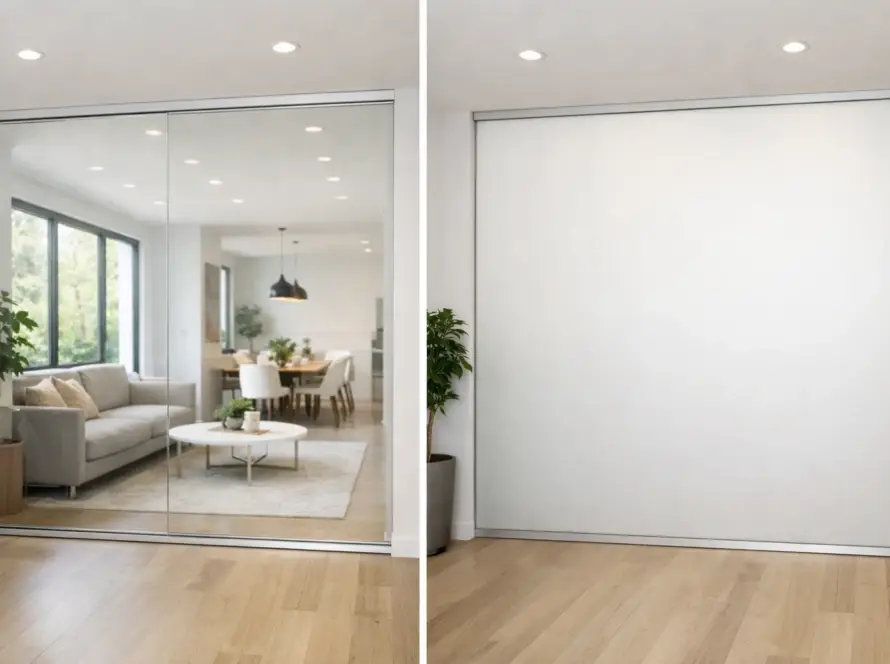
Switchable film technology, specifically Polymer Dispersed Liquid Crystal (PDLC), has revolutionized how we manage privacy and light in modern architectural environments. Integrating this technology into existing glass surfaces requires a high level of precision and technical understanding. When planning a smart glass film installation, the difference between a high-performance system and a failure often lies in the details of the preparation and the execution of the electrical components. This guide provides a technical deep-dive into the installation process, ensuring that the transition from clear to frosted is seamless and durable.
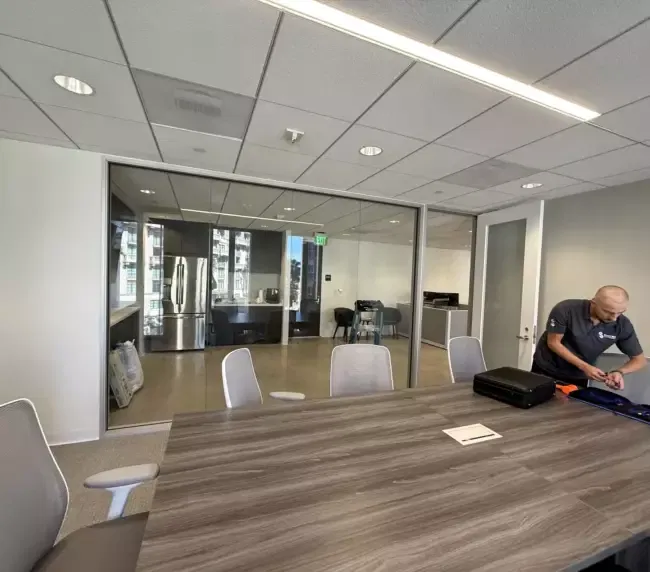
Professional smart film installation involves more than just sticking a film to a window. It is a multi-stage process that includes rigorous glass preparation, dry-application techniques, and specialized electrical wiring. At Smart View Smart Film Solutions, we emphasize the importance of understanding the hardware, transformers, controllers, and busbars, to ensure the longevity of the PDLC material.
What is PDLC Technology and How Does It Work?
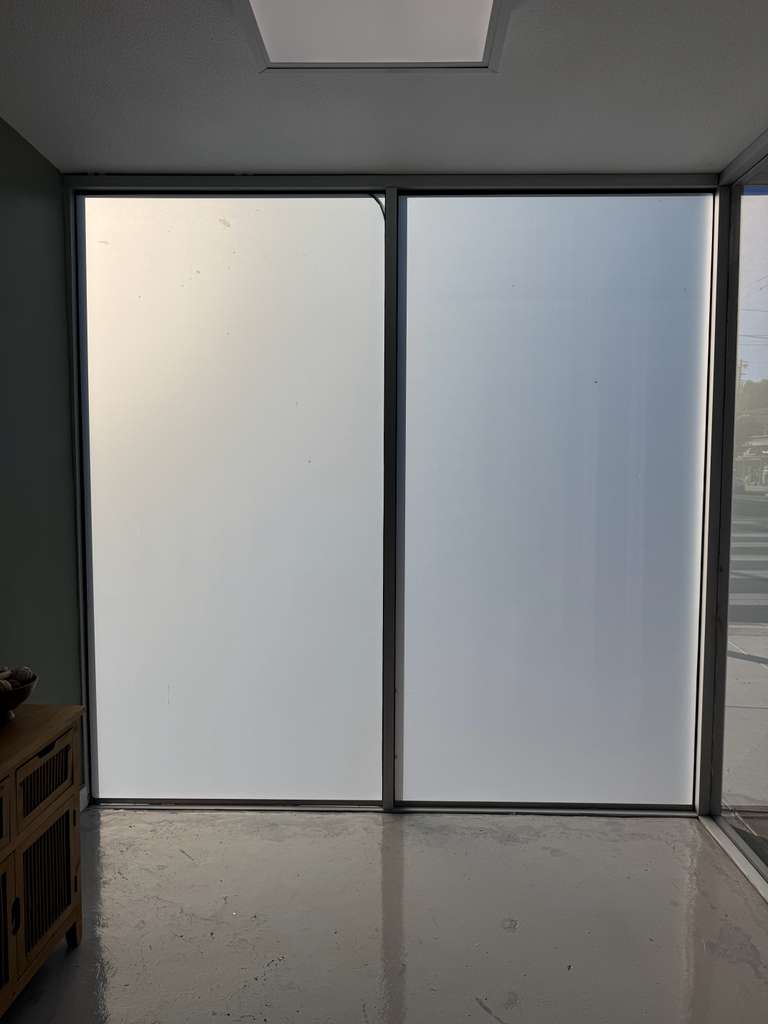
PDLC stands for Polymer Dispersed Liquid Crystal. This technology consists of a layer of liquid crystal droplets dispersed in a polymer matrix, sandwiched between two layers of conductive PET film. In its natural state, the liquid crystals are randomly oriented, which scatters light and makes the film appear opaque or "frosted." This provides instant privacy without blocking the transmission of light.
When an electric current is applied, typically 60VAC provided by a dedicated transformer, the liquid crystals align in a uniform direction. This alignment allows light to pass through without scattering, rendering the glass transparent. Understanding this behavior is a critical phase of smart glass film installation, as any damage to the conductive layers or the liquid crystal matrix during handling will result in permanent visual defects or electrical shorts. The film is sensitive to pressure, folding, and moisture, necessitating a controlled environment during the entire application process.
What Tools and Environment Are Required for a Successful Install?
A successful installation begins with a clean, dust-free environment. Because PDLC film uses a dry-install adhesive, even a single speck of dust can create a visible bubble that cannot be easily removed once the film is set. You must ensure the workspace is free of air drafts that could carry particulates onto the adhesive surface.
The following tools are essential for technical accuracy:
- Nitrile gloves (to prevent skin oils from contaminating the conductive layers).
- High-purity Isopropyl alcohol (99%) and lint-free microfiber cloths.
- Professional-grade rubber rollers and soft-edge squeegees.
- Precision cutters and a soldering station for electrical busbars.
- A digital multimeter for testing continuity and voltage.
- Neutral cure silicone sealant specifically designed for electronic components.
Before the physical application begins, it is a standard industry practice to perform a bench test. Lay the film flat and connect it to its designated power source to verify that the PDLC transitions correctly across the entire surface area. This step identifies any manufacturing defects or shipping damage before the film is permanently adhered to the glass.
How Do You Prepare the Glass Surface for Maximum Adhesion?
The longevity of a smart glass film installation depends heavily on the bond between the adhesive and the glass. Standard glass cleaners often leave a residue or contain ammonia, which can degrade the film’s adhesive over time. Instead, use a two-step cleaning process. First, remove heavy contaminants with a professional glass cleaner. Second, perform a deep clean using Isopropyl alcohol and a wide razor blade to scrape away any microscopic debris, paint overspray, or silicone residue.
Measure the glass dimensions precisely. The smart film should be cut approximately 1 to 2 millimeters smaller than the visible glass area. This "undercut" prevents the film from touching the window frame or gaskets, which can cause peeling or allow moisture to enter the film’s edges. A perfectly clean and dry surface is non-negotiable for residential smart glass installation, where aesthetic perfection is the primary goal.
What is the Step-by-Step Process for Applying the Film?
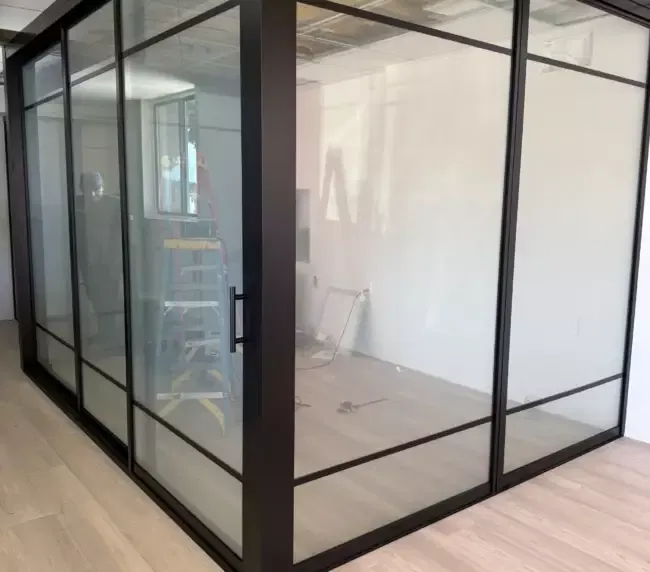
The application of PDLC film is a "dry" process, meaning no water or application fluids should be used. Using water will damage the electrical components and the liquid crystal layer. Begin by peeling back only the first 20-30 millimeters of the protective liner. Align the top edge of the film with the top of the glass, ensuring the 1-2mm gap is uniform.
Once the film is tacked in place, gradually remove the liner while simultaneously using a rubber roller to press the film onto the glass. Work in slow, horizontal strokes from the center toward the edges. This technique pushes the air out and prevents the formation of large bubbles. If a bubble or a piece of dust is trapped, the film can be carefully lifted a few inches to remove the debris with specialized adhesive tape. This methodical approach is the heart of smart glass film installation and requires patience and a steady hand.
How Are Electrical Connections and Wiring Managed?
The electrical phase is where many DIY attempts fail. PDLC film requires a 60VAC power supply, which is provided by a step-down transformer connected to a standard 110V-120V outlet. The film features copper busbars along one or more edges. These busbars are the points where the electrical wires must be soldered.
Using a soldering iron, attach the lead wires to the busbars. The solder must be clean and secure to ensure consistent current flow. Once the wires are attached, they must be routed through the window frame or hidden behind decorative trim. It is imperative that the wires do not touch the metal frame directly, as this can cause a short circuit. After the wiring is complete, the edges of the film and the busbars must be sealed with a neutral-cure silicone. This prevents oxygen and moisture from oxidizing the conductive layers, which would lead to "browning" or delamination at the edges. To see how these connections are integrated into architectural designs, you can explore our recent smart film projects.
What Are the Most Common Installation Mistakes to Avoid?
One of the most frequent risks in smart glass film installation is improper handling. PDLC film cannot be folded or creased. A crease creates a permanent "dead zone" where the liquid crystals are crushed, resulting in a visible line that will not switch. Always handle the film by its edges or with a microfiber cloth to prevent kinking.
Another common mistake is the use of non-neutral silicone. Standard acidic silicones will eat through the conductive PET layers and destroy the film within weeks. Always verify that the sealant is "neutral cure." Furthermore, avoid over-tensioning the wires during the routing process. Pulling on the busbars can delaminate the film from the glass, creating an entry point for air and moisture.
How Long Does Smart Film Last and What Influences Its Performance?
When installed correctly, smart film has a lifespan of over 80,000 to 100,000 hours in the "on" (clear) position. The durability of the system is largely determined by the quality of the edge sealing and the stability of the power source. Beyond privacy, PDLC technology provides significant performance benefits, such as 99% UV rejection and substantial reduction in solar heat gain.
Following a smart glass film installation, maintenance is minimal. The film should be cleaned with a damp microfiber cloth and a mild, non-abrasive soap. Never spray liquids directly onto the film; instead, spray the cloth. Consistent performance also depends on the transformer. High-quality transformers provided by Smart View include surge protection to prevent voltage spikes from damaging the sensitive liquid crystals. For more details on maintaining your system, refer to our switchable glass durability guide.
FAQ
How long does smart glass film installation take?
The timeline for a smart glass film installation varies depending on the number of panels and the complexity of the wiring. A single standard office door can often be completed in a few hours, while a large commercial storefront may take several days. Factors such as the proximity of power sources and the need for custom trim to hide wires will influence the total duration.
Can smart film be installed in bathrooms or wet environments?
Yes, but it requires specialized edge sealing. In high-moisture areas like bathrooms, the edges of the film must be completely encased in neutral silicone to prevent moisture ingress. The electrical connections should also be positioned at the top of the glass to minimize contact with water.
Does the film require batteries?
No. PDLC technology requires a constant electrical current to remain transparent. It must be wired to a transformer which is then plugged into a standard wall outlet or hardwired into the building's electrical system.
What factors influence smart film pricing?
Pricing varies based on several technical factors, including the total square footage, the complexity of the glass shape (such as curved or oversized panels), and the requirements for smart home integration (e.g., Lutron or Alexa). Every project is unique, and we recommend that you schedule a pricing consultation to get an accurate estimate for your specific needs.
Can I install smart film on my own?
While some small-scale kits exist, professional installation is highly recommended for architectural-grade PDLC. The risks of electrical shorts, dust contamination, and permanent film damage are high for those without specialized tools and training.
Professional Solutions for Switchable Privacy
Mastering the installation of switchable technology requires a blend of craftsmanship and electrical expertise. At Smart View Smart Film Solutions, we provide turnkey services that handle everything from precision cutting to final integration with your building's automation systems. Whether you are looking to upgrade a corporate boardroom or a luxury residential suite, our team ensures that your investment in PDLC technology is protected by industry-leading installation standards.
If you are ready to transform your space with the latest in switchable privacy, contact us today. Our experts will evaluate your site conditions and provide a comprehensive plan for a flawless smart glass film installation.
For more information or to request a custom quote, call us at (866) 728-9888 or visit our website to start your project.