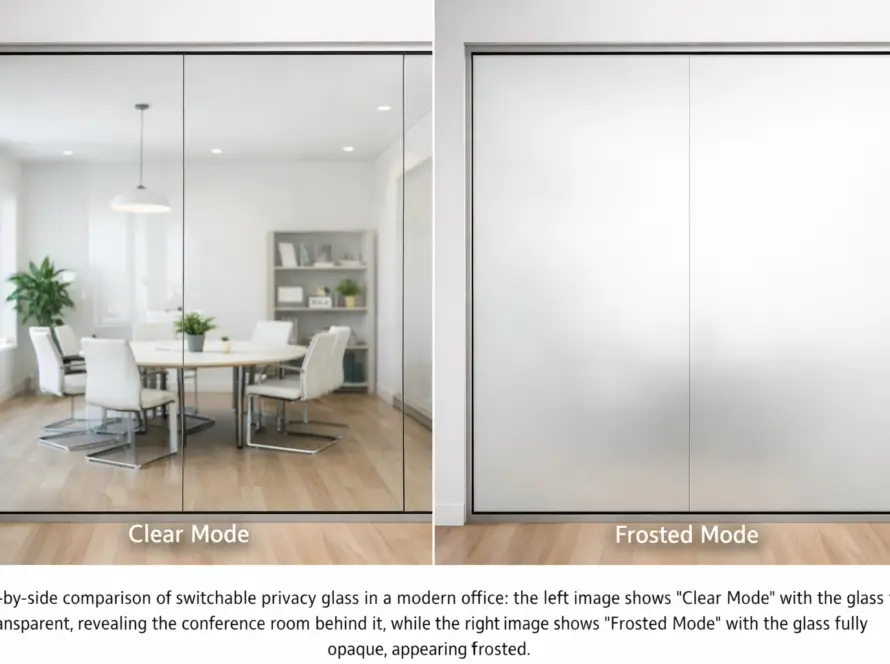
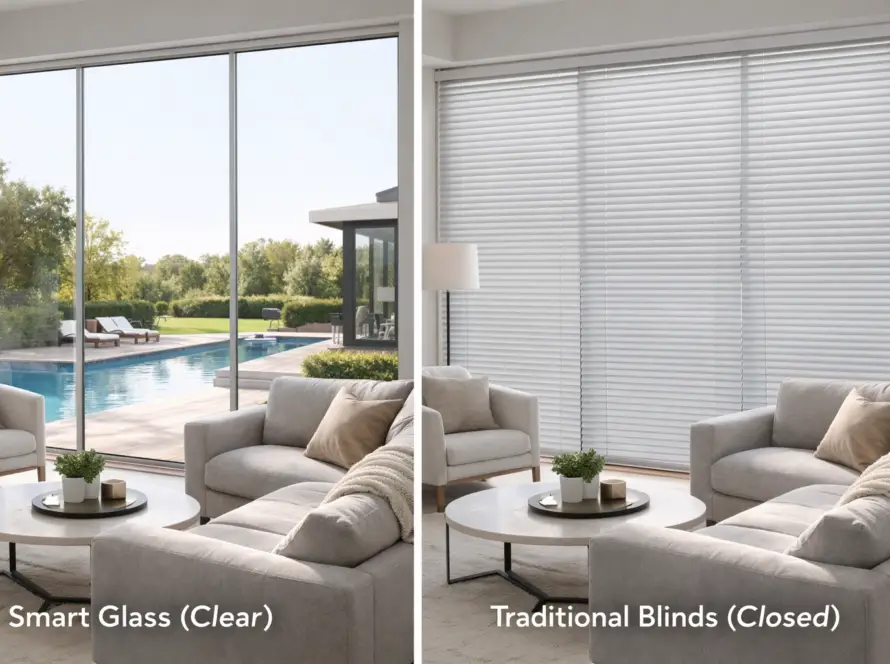
Gauzy Smart Glass Transformer: 7 Top Fixes (2026)
Gauzy smart glass stopped working? Most often, it’s the transformer. The PDLC switchable-film panel itself is rugged — what fails first on aging Gauzy installs is the low-voltage driver that powers the panel. The Gauzy smart glass transformer is the part that earns the service call, and it’s also the part Smart View can ship as a compatible replacement when yours gives out.
This guide is the diagnostic-and-replacement walkthrough we run with every Gauzy owner who calls us in. Honest framing up front: Smart View does not sell Gauzy products and is not a Gauzy service partner. What we do sell is PDLC-compatible replacement transformers that work with most Gauzy switchable-film installs — and the qualified-lead process below tells us whether your install is one we can ship for.
Why a Failed Gauzy Smart Glass Transformer Is the Most Common Cause
Across the Gauzy rescue calls we field, the failure cluster is consistent: the panel is fine, the wiring is fine, but the Gauzy smart glass transformer has lost capacity, started buzzing, or stopped delivering rated voltage. The PDLC layer needs clean AC voltage at the spec’d level to switch cleanly; a degrading transformer underdelivers, and the panel responds with flicker, slow switch-over, or full failure to activate.
Three structural reasons drive transformer-first failure: low-voltage drivers are the only active electrical component in the install (the panel itself is passive), older drivers weren’t always sized with HVAC-startup margin (so they degrade faster on real-world load), and the driver lives somewhere accessible enough to pick up dust and humidity over years of service.
The 7 Most Common Gauzy Smart Glass Transformer Failure Modes
- 1. Audible buzz when the panel is energized. Hum from the driver location is the earliest signal of transformer failure. Caught here, replacement is preventive — the panel itself usually still works fine. Ignore the buzz long enough and other failure modes follow.
- 2. Slow switch-over (clear-to-frosted takes 2+ seconds). A healthy switchable-film install transitions in under a second. Slow transitions almost always trace to the driver underdelivering rated voltage. The Gauzy smart glass transformer is the most likely culprit before checking wiring or panel.
- 3. Flicker on activation. The panel oscillates between clear and frosted on activation instead of switching cleanly. Voltage drop under load is the cause; an aging transformer flickers when HVAC starts up or another circuit pulls.
- 4. Dead spots that come and go. Sections of the panel fail to frost, but the dead spots move or change between activations. Indicates marginal voltage delivery — the panel’s edges or far corners drop out when the transformer can’t push enough current to the full surface.
- 5. Total no-activation with intact panel. Wall switch flips, nothing happens. If the panel still ohms-out clean and the wiring tests good, the Gauzy smart glass transformer has likely failed completely. Voltage at the panel terminals reads zero or below spec.
- 6. Driver overheats and shuts down protectively. Modern drivers include thermal shutdown — a degraded transformer hits thermal limits sooner than a healthy one and cycles off mid-activation. Owners describe this as “works for a minute, then quits.”
- 7. Visible damage on the driver enclosure. Burn marks, swollen capacitor cans, leaking electrolyte, melted plastic — visible damage on the transformer enclosure means the driver is done. Replace before any further power-on attempts.
How to Confirm It’s the Transformer (Not the Film)
Before ordering a replacement Gauzy smart glass transformer, run a 3-step diagnostic to confirm the driver is the failure point and not the panel itself or the wiring run:
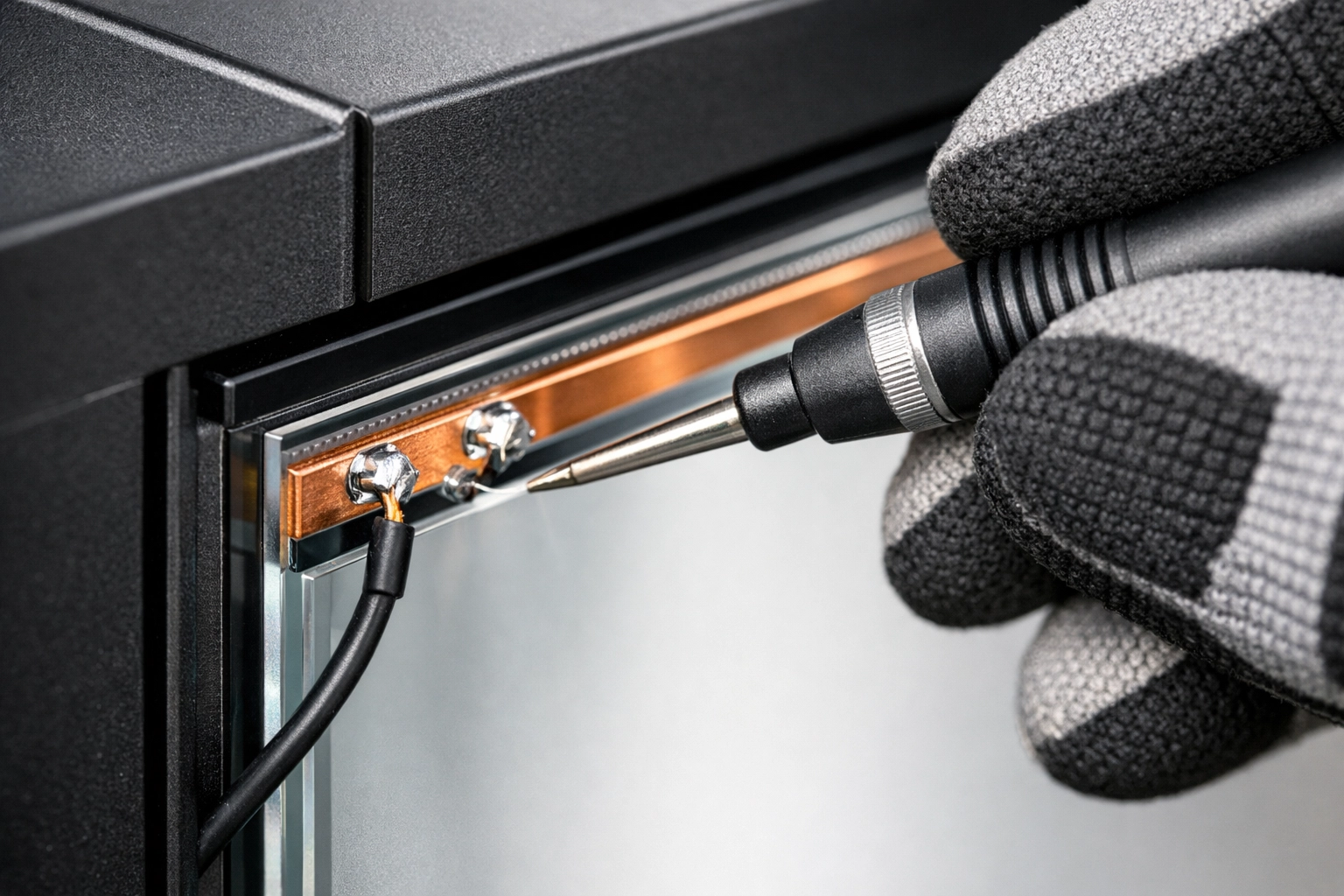
Step 1 — Voltage test at the panel terminals. With the wall switch on, measure AC voltage at the panel’s electrical terminals. A healthy install delivers the panel’s rated voltage (typically 24V or 60V AC depending on Gauzy generation). Below-rated voltage with switch on points to driver failure.
Step 2 — Resistance check on the panel. Power-off, measure resistance across the panel terminals. Healthy panels read in a known range (varies by spec); shorted or open panels read out-of-spec. If the panel reads clean, the failure is upstream.
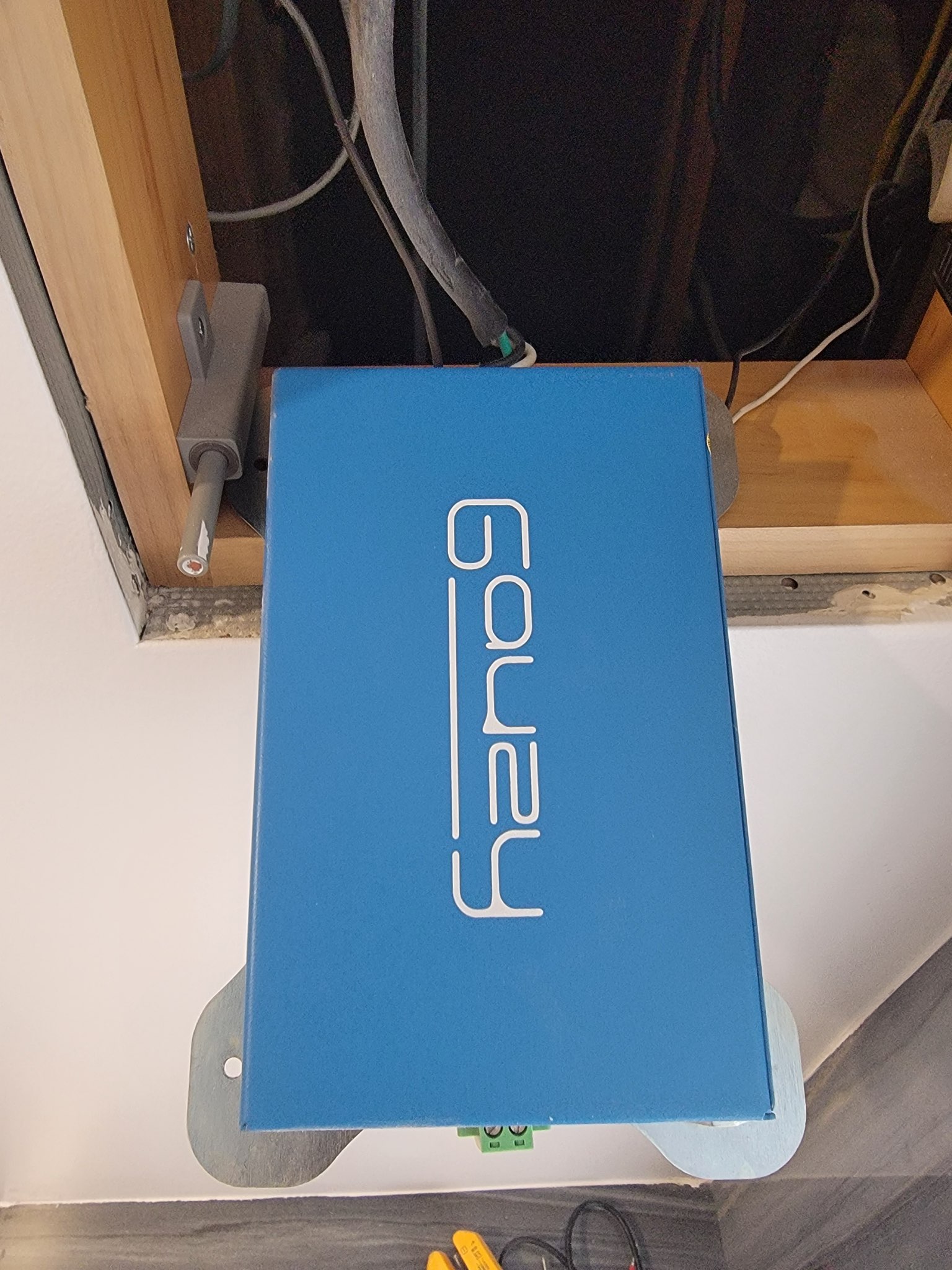
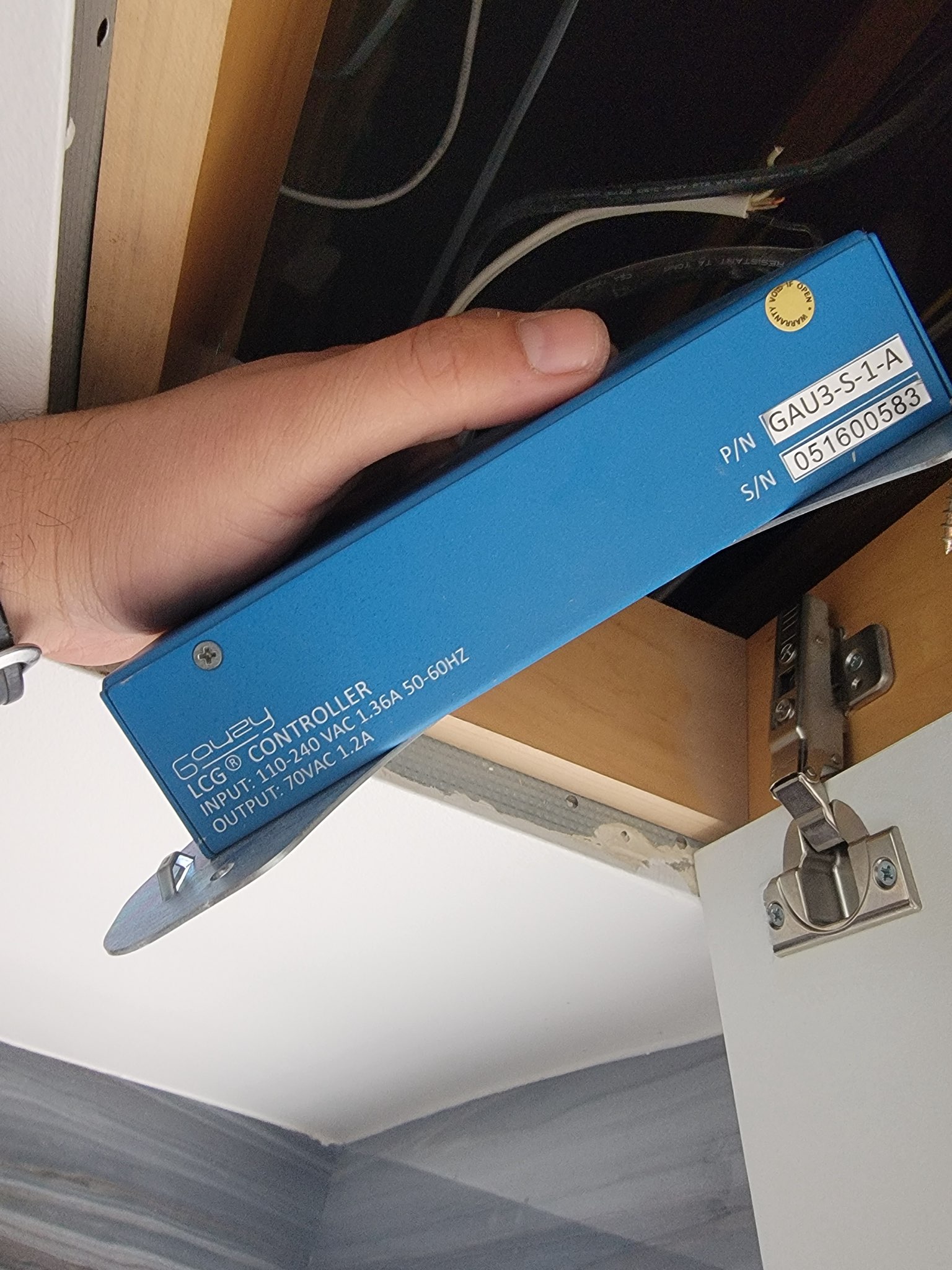
Step 3 — Driver enclosure inspection. Visually inspect the Gauzy smart glass transformer enclosure for burn marks, swollen components, or thermal damage. Listen for buzz with the panel energized. Both are evidence of driver failure.
Compatible Replacement Transformer Spec from Smart View
Smart View carries PDLC-compatible replacement transformers that work with most Gauzy switchable-film installs. The compatibility hinges on three specs: rated voltage (24V or 60V AC), rated wattage matched to your panel square footage, and physical form factor for the existing driver location. We do not stamp our drivers as “Gauzy parts” — they are independent PDLC-compatible replacements, sold honestly as such.
For technical context on the underlying PDLC technology that determines transformer compatibility across Gauzy and other smart-film brands, see our smart film PDLC page — covers the spec details that drive replacement-part fit.
The Qualified-Lead Process — What We Need to Confirm Fit
Before we ship a replacement Gauzy smart glass transformer, we confirm fit on a short qualified-lead exchange. Three pieces of information let us match the right driver to your install:
- Panel rated voltage — typically printed on the panel edge label or driver enclosure (24V or 60V AC most common).
- Panel total square footage — drives the wattage we ship; oversized drivers are fine, undersized drivers re-fail.
- Existing driver location and physical dimensions — the replacement has to fit the cabinet or cavity where the current Gauzy smart glass transformer lives.
If you don’t have all three, send what you do have and we’ll work through what’s missing. The qualified-lead exchange usually takes 24–48 hours; we don’t ship parts until fit is confirmed because the wrong-spec replacement is more expensive than no replacement at all.
When the Gauzy Smart Glass Transformer Isn’t the Issue
Roughly 1 in 5 Gauzy rescue calls turn out to be panel failure or wiring failure rather than transformer failure. The diagnostic above catches this — if voltage at the panel terminals is correct and the panel still won’t switch, the issue is upstream of the transformer (control wiring, switch, or panel itself). Smart View can sometimes help with control-side diagnostics; panel-level repair is generally not in scope, since Gauzy panels are proprietary and we don’t replicate them.
For a Smart View install reference (not a Gauzy project) that shows what a clean PDLC switchable-film install looks like end-to-end, see our smart glass on a Pasadena bathroom window — single residential scope, full Smart View product family, useful as a comparison baseline.
Need a Replacement Gauzy Smart Glass Transformer?
If your Gauzy install matches the failure modes above and you’ve run the 3-step diagnostic, send us the panel voltage, total square footage, and current driver dimensions. We’ll confirm fit on a compatible replacement Gauzy smart glass transformer and ship once the spec matches your install.
Contact Smart View with the diagnostic details — panel voltage, square footage, driver dimensions, photos of the existing driver if possible. We’ll respond within 24–48 hours with fit confirmation and shipping options. Honest scope: Smart View ships compatible replacement transformers and provides install-side guidance; we do not service Gauzy panels directly or replicate proprietary Gauzy components.