What Is PDLC Smart Film? The Switchable Material, Explained

PDLC smart film is a thin, switchable material — a layer of polymer-dispersed liquid crystal sealed between two clear, electrically conductive plastic films — that bonds to glass and turns it from clear to a solid white frost the moment you flip a switch. It is the same technology built into factory-made smart glass, supplied as a peel-and-apply film you add to glass you already own.
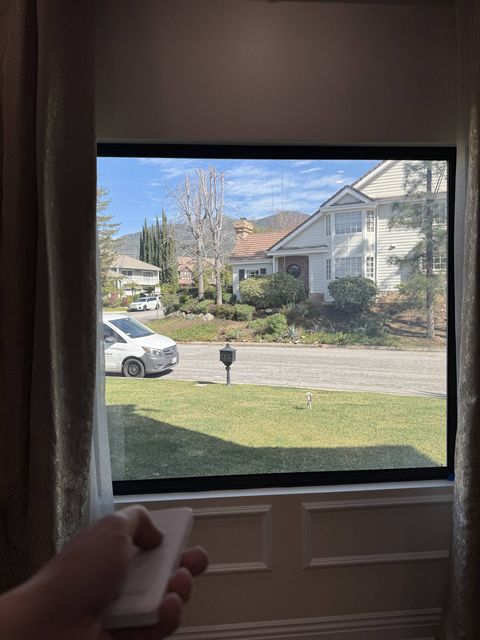
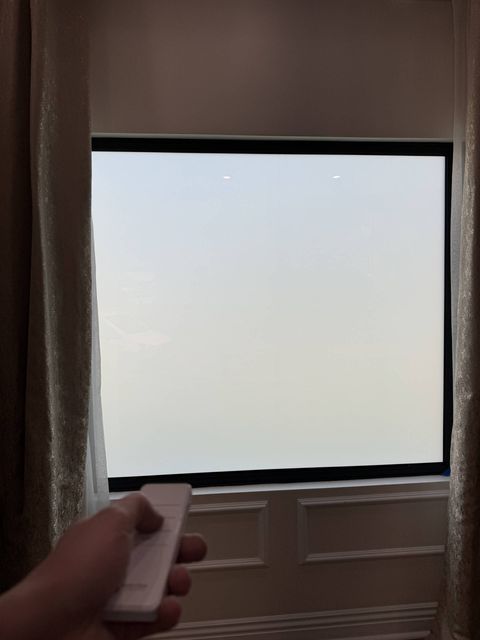
If you are trying to figure out what this material actually is — not just that it delivers instant privacy at the flip of a switch — here is what PDLC is made of, the two forms it comes in, and what you get when you order it.
What is PDLC, and what is the film made of?
PDLC stands for polymer-dispersed liquid crystal. Picture a laminate barely thicker than a sheet of paper: two outer sheets of clear plastic, each coated on the inside with a see-through conductive layer, and between them a film where microscopic liquid-crystal droplets are suspended in a clear polymer. A slim conductive strip called a bus bar runs along one edge to carry power in.
The switching is simple. With no power, those droplets sit at random angles and scatter light, so the film reads as an even, milky-white frost. Send a low-voltage current through the conductive layers and the droplets snap into alignment, light passes straight through, and the glass goes clear — in about a second. There is no fog, no gradient, and no dark tint; the frosted state is a clean white that still carries daylight into the room. (You will also hear the material called switchable film, smart-glass film, or privacy film — all names for the same PDLC.)
Film or glass? The two forms PDLC comes in
The same PDLC material reaches you in one of two products, and knowing the difference is most of what buyers are really asking.
Retrofit smart film is the switchable layer supplied on its own, ready to bond to the room-side face of glass you already own. It is how most homes and offices get switchable privacy without replacing a single pane — a bathroom window, a glass partition, or a front-door lite becomes switchable in an afternoon. Our smart-film retrofit in La Cañada Flintridge is a clean example: the film was bonded to the existing entry and window glass and wired to a remote, so clear-to-frosted is a one-second choice with the original glass left in place. This is the product most people mean by smart film.
Factory-laminated smart glass takes the identical PDLC layer and seals it permanently between two panes of glass at the factory, so the switchable material is built into the finished unit. There is no exposed film edge to lift, and it is the right build where the glass takes moisture or heavy use — a shower screen, or a picture window ordered as a complete sealed unit. Same crystals, same behavior; the only difference is whether the PDLC is bonded to your glass on site or laminated inside new glass at the plant.
Why instant privacy is the point
Every older privacy fix locks the window into one state. Blinds and drapes block daylight along with the sightline and have to be worked by hand every time; static frosted vinyl leaves the glass frosted 24/7, even when you want the view back; tinted glass darkens the room without really hiding what is behind it. PDLC is the one that flips — the glass itself becomes the privacy layer, with no motors, no moving parts, and no maintenance cycle to keep up.
That is why the film earns its price in rooms where privacy is situational rather than permanent: medical exam and consultation rooms that alternate between open collaboration and private patient time, conference-room partitions that stay clear most of the day and frost for a confidential call, street-facing bedroom and bathroom windows that feel open in daylight but exposed once the sun drops, and storefront glass that shows the display all day and goes private after hours with no shutters. Across the hundreds of installs we have shipped in Los Angeles — most in the 50 to 100 square foot range — those are the rooms that come up again and again. Our smart glass install in a Beverly Hills surgical practice is the cleanest example: glass that is open and welcoming during consultations and fully private during procedures, switching several times a day.
What you actually get when you buy it
The film is only one part of a working setup. A complete switchable install is three things: the film itself, cut to your glass; a transformer, a small driver that steps household power down to the low voltage the film runs on; and a control — most often a wall switch that looks like a light dimmer, with a handheld remote, phone app, or smart-home tie-in (Lutron and the common voice assistants) as options. The bus bar on the film's edge connects to the transformer, and the transformer to your control.
When Smart View installs it, all of that arrives handled: our licensed crew (CA lic. #1134029) measures, bonds the film, wires the transformer and switch to code, and tests every panel switching before leaving. If you are ordering material only for your own contractor to set — supplied per project — you receive the film sized to your glass, the matched transformer, and a wiring guide, so nothing on the electrical side is guesswork.
What PDLC smart film costs
Price follows glass area and the controls you choose, not the label on the product. A single small pane usually starts around $1,500 fully installed and scales up from there for larger windows, several openings, or smart-home integration; material-only orders cost less because the labor is yours. The honest breakdown of what moves the number is on our smart glass cost page. Quoting is remote and free: send photos and rough measurements and we come back with real numbers within one to two business days.
PDLC smart film: common questions
Is PDLC smart film the same as smart glass?
They are the same technology in different forms. PDLC is the switchable material; smart film is that material as a retrofit you bond to existing glass, while smart glass usually means the same layer laminated inside a finished glass unit. What does the work — the liquid crystals — is identical.
Does PDLC film go dark, or does it turn white?
White. The off state scatters light into an even, milky frost rather than a dark tint, so the room stays bright while the sightline disappears. Going dark to cut sun is a different product (electrochromic tint); PDLC frosts for privacy instead.
Can switchable film go on glass I already have?
Usually, yes. Retrofit film bonds to the interior face of existing clear glass, so most windows, doors, and partitions can be upgraded without replacing the pane. Heavily tinted, textured, or already-treated glass gets evaluated case by case first.
Does the frosted film need power to stay private?
No — it is the reverse. Frosted is the unpowered default, and power is what makes it clear, so a power cut or film simply left alone settles to private rather than exposed. Most owners find that fail-safe direction reassuring.
That is the whole of it: PDLC is the switchable material, and smart film is how you add it to glass you already own — instant privacy on the glass you have. Request your free estimate or call (866) 728-9888 with photos and rough sizes, and we will send real numbers within one to two business days.