Enhance Your Home’s Privacy and Style with Smart Glass Technology
Modern residential architecture increasingly emphasizes large glass surfaces, open floor plans, and a seamless connection between indoor and outdoor living spaces. However, this design trend often clashes with the fundamental need for privacy and solar control. For decades, traditional blinds and curtains were the only solutions available to homeowners. Today, switchable PDLC (Polymer Dispersed Liquid Crystal) technology has redefined the standard for luxury interiors. When comparing smart glass vs traditional blinds, the choice involves more than just aesthetics; it is a decision about lifestyle, maintenance, and long-term value.
Does Smart Glass Offer Better Aesthetic Integration Than Blinds?
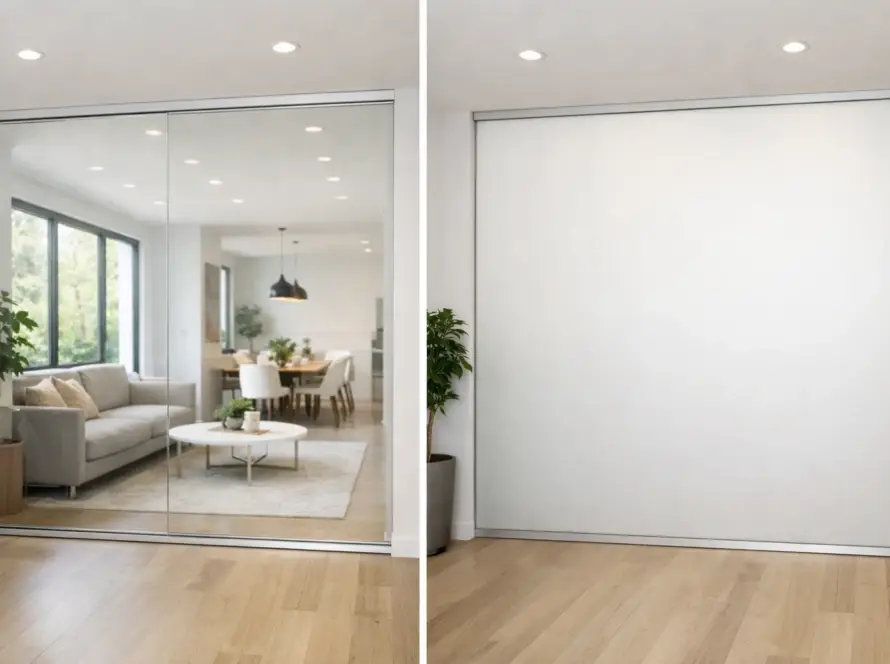
The most immediate advantage of smart glass is its ability to maintain the architectural integrity of a home. Traditional blinds, regardless of their quality, introduce physical clutter. Cords, slats, and fabric stacks inevitably obscure window frames and collect dust. In a luxury residential setting, the goal is often minimalism. Smart glass and retrofit smart film allow for a completely "naked" window look that fits perfectly within contemporary design.
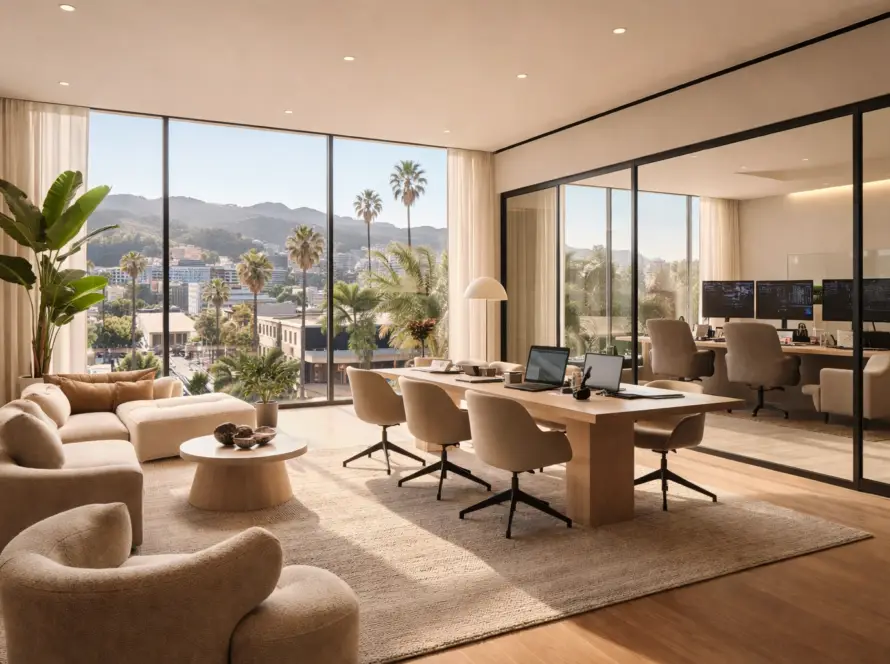
When you choose custom smart glass systems, you eliminate the need for bulky hardware. The technology is integrated directly into the glazing or applied as a low-profile film. When the system is powered on, the glass is perfectly transparent, offering unobstructed views of your landscape or city skyline. When switched off, the liquid crystal molecules realign to create a frosted, opaque barrier. This transition occurs in less than a second, providing instant privacy without the mechanical noise or visual distraction of motorized shades.
How Does Privacy Performance Compare Between These Two Options?
Privacy is the primary reason homeowners invest in window treatments. Traditional blinds offer tiered privacy, you can tilt slats to see out while blocking some visibility from the street. However, this often results in "zebra" light patterns across your interior and never provides true 100% privacy without completely blocking natural light.
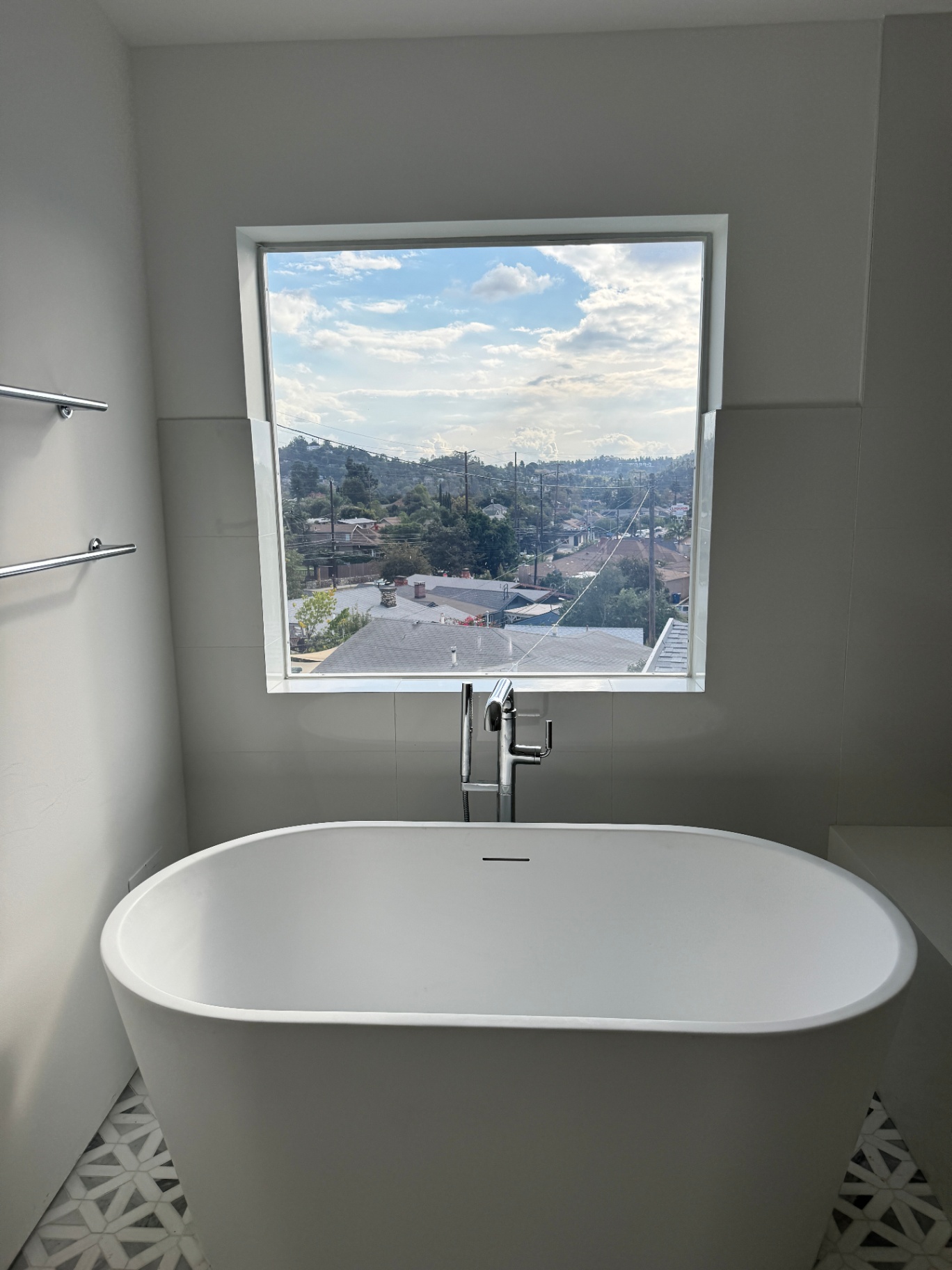
Smart glass utilizes PDLC technology to provide a uniform frosted effect. This is particularly effective in high-stakes areas like master bathrooms or street-facing bedrooms. In its opaque state, the glass scatter light, preventing anyone from seeing shapes or shadows from the outside, yet it still allows approximately 65% of natural light to permeate the room. This "light-filled privacy" is something traditional blinds simply cannot replicate. For those looking to upgrade existing windows, a professional smart film installation provides this same high-end privacy without the need for a full window replacement.
Is Smart Glass More Energy Efficient Than Traditional Fabric Blinds?
Energy efficiency is a major concern for homeowners in sun-drenched regions like Southern California. Traditional blinds work by reflecting or absorbing solar heat once it has already passed through the glass. While heavy blackout curtains can be effective, they require you to live in darkness to keep the heat out.
Smart glass and film are engineered to reject infrared light and block 99% of harmful UV rays. This protection serves two purposes. First, it significantly reduces solar heat gain, lowering the load on your HVAC system and reducing monthly energy costs. Second, it protects your interior investments. Luxury hardwood floors, custom upholstery, and expensive artwork are all susceptible to UV fading. By integrating smart technology, you preserve your home’s interior while maintaining a bright, airy atmosphere.
Which Option Requires Less Long-Term Maintenance?
Maintenance is where the gap between traditional blinds and smart glass widens significantly. Blinds are notorious for collecting dust, pet hair, and allergens. Cleaning them is a labor-intensive process involving individual slat wiping or professional ultrasonic cleaning for cellular shades. Over time, cords fray, slats warp, and fabric stains.
Smart glass, conversely, is maintained exactly like standard glass. A simple wipe-down with a soft cloth and non-ammoniated cleaner is all that is required. Because there are no moving parts exposed to the user, there is nothing to tangle or break. The PDLC film is protected either between glass lites or by a hard-coated scratch-resistant layer on retrofit applications. Our installations in Los Angeles are designed for longevity, typically rated for over 80,000,000 switches, ensuring the system functions perfectly for decades.
How Does Smart Home Integration Change the User Experience?
In a modern smart home, convenience is key. Traditional blinds can be motorized, but they often require separate hubs, proprietary remotes, or complex integration that can be prone to mechanical failure. Smart glass operates on standard electrical principles, typically using 48V to 65V AC power delivered via a compact transformer.
This electrical foundation allows smart glass to integrate seamlessly into ecosystems like Crestron, Lutron, or Savant. You can control your window's transparency via a wall switch, a smartphone app, or even voice commands through Alexa or Google Home. For a luxury homeowner, the ability to say "Privacy Mode" and have every window in the master suite frost instantly is a level of sophistication that manual or motorized blinds cannot match. To see how these systems look in a finished environment, you can explore our recent smart film projects which showcase various control methods in high-end residences.
What Are the Primary Cost Drivers for Smart Glass Installation?
While traditional blinds have a lower entry price point, smart glass is an investment in the property’s capital value. Several factors influence the final cost of a project. Square footage is the most obvious factor, but the complexity of the wiring and the type of glass or film used also play significant roles.
Retrofit smart film is often more cost-effective than replacing entire window units with factory-laminated smart glass. The condition of the existing frames and the distance to the nearest power source will also impact the labor required for a clean, "invisible" wire installation. Unlike blinds, which are a recurring expense due to wear and tear, smart glass is a permanent fixture that enhances the appraisal value of a modern home.
FAQ
Is smart glass difficult to clean compared to blinds?
No, smart glass is much easier to maintain than traditional blinds. While blinds trap dust and allergens in their slats and fabrics, smart glass is cleaned just like any other window. Use a mild soap or a non-ammoniated glass cleaner and a microfiber cloth. Because the technology is solid-state, you don't have to worry about damaging delicate cords or mechanical components during cleaning.
Can smart film be installed on existing windows?
Yes, we specialize in retrofit applications where PDLC film is applied directly to your existing glass. This process provides all the benefits of switchable privacy without the cost and mess of removing window frames. The film is precision-cut to fit your glass edge-to-edge, and the wiring is discreetly tucked into the glazing pockets or behind trim.
Does smart glass require a lot of electricity to run?
Smart glass is remarkably energy-efficient. It consumes approximately 3 to 5 watts per square meter when in its transparent (on) state. When the glass is opaque (off), it consumes no power at all. For most homeowners, the cost to operate a whole-house system is less than running a single traditional incandescent light bulb.
What happens to smart glass during a power outage?
Smart glass is "private by default." This means that if the power goes out, the liquid crystals return to their natural, scattered state, making the glass opaque. This ensures that your privacy is maintained even during a utility failure. Once power is restored, the glass can be switched back to transparent immediately.
Does smart glass block all light when it is turned off?
Unlike blackout blinds, smart glass does not block all light. When it is in its frosted, opaque state, it diffuses sunlight, filling the room with a soft, natural glow while blocking the view. This allows you to maintain privacy in a bathroom or bedroom without needing to turn on overhead lights during the day. For more information on performance, refer to our most recent guide on commercial glass technology.
Choose Professional Installation for Your Modern Home
Investing in smart glass technology is a commitment to the long-term beauty and functionality of your residence. While traditional blinds serve a basic purpose, they fail to meet the performance standards of modern luxury living. From superior UV protection and energy efficiency to the sleek, minimalist aesthetic of "on-demand" privacy, PDLC technology is the clear winner for the forward-thinking homeowner.
At Smart View Smart Film Solutions, we provide end-to-end service, from technical consultation to final electrical integration. Our team ensures that every installation meets the highest standards of precision and durability. If you are ready to eliminate the clutter of traditional window treatments and embrace the future of home design, schedule a pricing consultation today. Our experts will evaluate your space and provide a detailed proposal for a custom smart film or glass solution tailored to your specific needs.