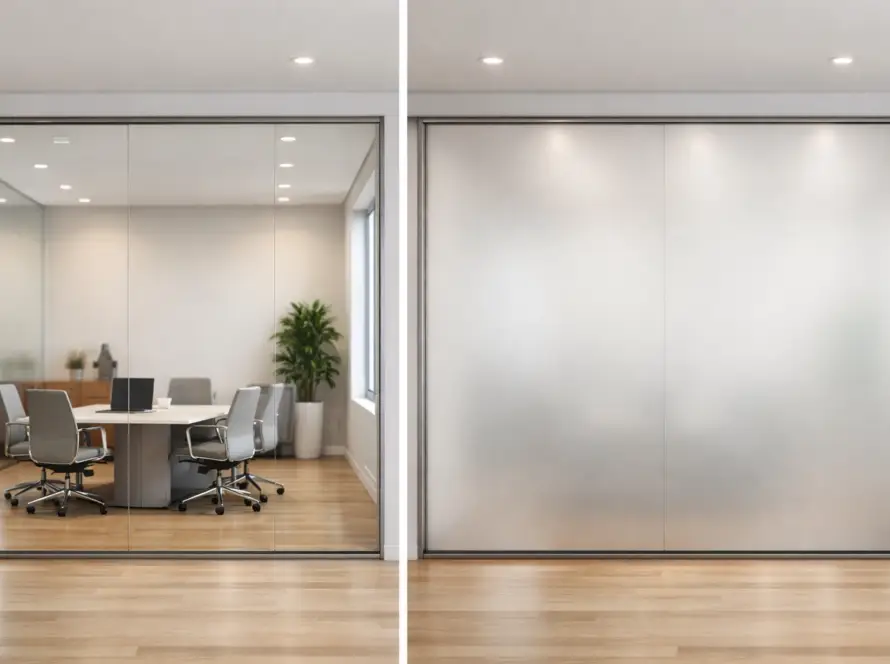
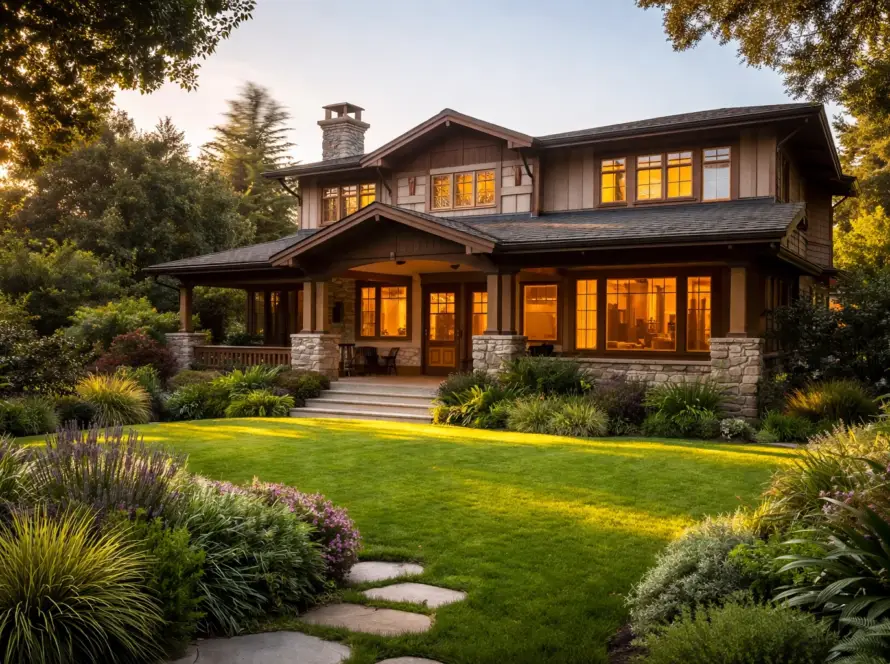
Enhance your commercial asset value and attract high-tier tenants with switchable smart film. This guide explores the ROI, technical integration, and market advantages of PDLC technology for developers and property managers.
In the competitive landscape of commercial real estate, property value is no longer determined solely by location and square footage. Today, high-value assets are defined by their technological integration, energy efficiency, and adaptability to modern work environments. Switchable smart film has emerged as a critical tool for developers and property managers looking to modernize existing assets without the prohibitive costs of full-scale structural renovations. By retrofitting existing glass with Polymer Dispersed Liquid Crystal (PDLC) technology, you can instantly transform standard office environments into high-performance, privacy-on-demand spaces that command higher lease rates and ensure long-term tenant retention.
How does switchable smart film affect tenant retention and lease rates?
For commercial developers, the primary goal is to minimize vacancies and maximize the price per square foot. Modern tenants, particularly in the tech, legal, and executive sectors, demand flexible workspaces. The traditional open-office plan is often criticized for its lack of privacy, yet static walls and frosted glass reduce natural light and create a fragmented feel. Switchable smart film solves this conflict by providing "privacy on demand." When a conference room is in use, the film is switched to its opaque state; when the meeting concludes, the glass returns to a transparent state, maintaining the open, collaborative atmosphere of the building.
Investing in professional smart film installation allows you to market a "smart building" profile. This technological edge is a significant differentiator during property tours. When a prospective tenant sees a glass-walled executive suite transition from clear to private at the touch of a button, it communicates a level of sophistication and modern utility that traditional blinds or curtains cannot match. This perceived value directly translates to the ability to hold firm on premium lease rates, as the infrastructure provides a functional benefit that reduces the tenant's need for their own costly interior build-outs.
What is the operational ROI on PDLC technology for large-scale office buildings?
The financial argument for switchable smart film extends beyond aesthetics into operational efficiency. Large-scale commercial properties face significant overhead in the form of HVAC costs and interior maintenance. Switchable smart film acts as an additional layer of thermal insulation. In its frosted state, the PDLC molecules scatter light, which significantly reduces solar heat gain during peak hours. This light-scattering effect allows for natural illumination while blocking the infrared radiation that typically forces HVAC systems to work overtime.
Furthermore, traditional window treatments like motorized blinds require mechanical maintenance and regular cleaning, and they are prone to breakage in high-traffic commercial environments. Smart film has no moving parts. Once installed and sealed with a neutral-cure silicone, the film is essentially maintenance-free, requiring only standard glass cleaning procedures. Over a five-to-ten-year lifecycle, the savings on energy bills and the elimination of blind replacement costs contribute to a much healthier Net Operating Income (NOI). By improving the energy profile of the building, you also position the asset for better performance in the market, particularly as energy disclosure laws become more stringent.
How does smart film integrate into LEED and green building certifications?
Sustainability is a key driver in commercial property valuation. Institutional investors and corporate tenants often have mandates to occupy LEED-certified or "Green" buildings. Switchable smart film contributes to multiple LEED credit categories, specifically in the areas of Energy and Atmosphere (EA) and Indoor Environmental Quality (EQ). By managing solar heat gain and optimizing daylighting, the technology reduces a building's overall carbon footprint.
Integrating custom smart glass systems or high-performance retrofit films allows for better control over the "light envelope" of a structure. Unlike traditional tinting, which permanently reduces light transmission, smart film allows the maximum amount of natural light to enter the building when privacy is not required. This reduces the reliance on artificial overhead lighting, which is one of the highest energy consumers in commercial spaces. For developers aiming for LEED Gold or Platinum status, the inclusion of PDLC technology is a powerful technical asset that demonstrates a commitment to high-performance building standards.
Why is switchable smart film a superior retrofit compared to glass replacement?
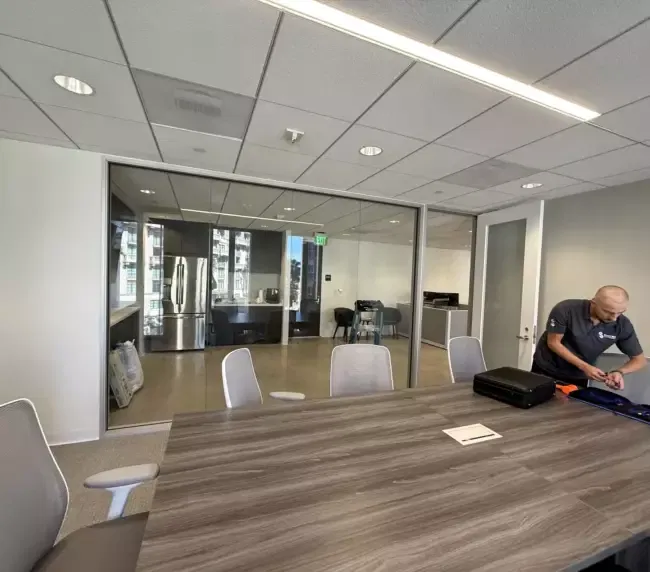
For property managers overseeing occupied buildings, the prospect of replacing hundreds of glass partitions with integrated smart glass is a logistical nightmare. It involves structural demolition, significant downtime, and the potential displacement of tenants. Switchable smart film is a non-invasive retrofit solution. It is applied directly to the existing glass surface on-site, meaning there is no need to remove frames or glass panels.
The installation process is streamlined for commercial environments. An expert team can treat entire floors of an office building with minimal disruption to daily operations. This "applied-film" approach provides the exact same functionality as factory-manufactured smart glass but at a fraction of the capital expenditure. Because it is a retrofit, the project can be phased, allowing property managers to upgrade specific high-value suites or conference rooms as leases turn over, rather than committing to a massive, building-wide capital project all at once.
What technical considerations are required for commercial-grade installations?
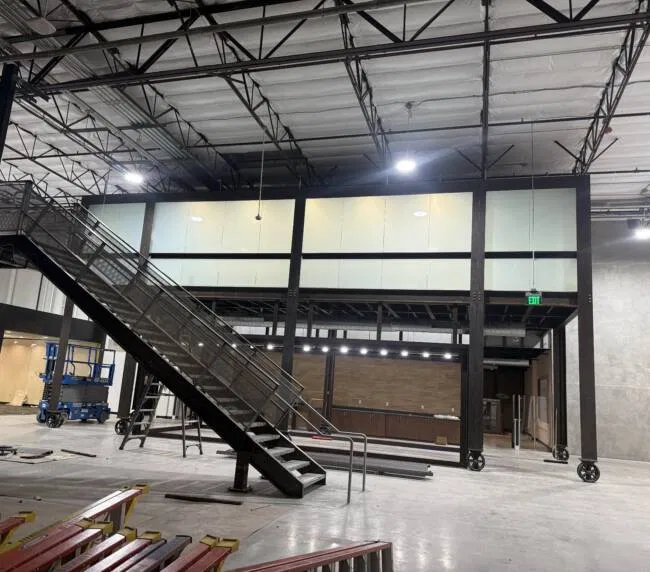
A successful commercial deployment of switchable smart film requires precise engineering and electrical planning. Unlike residential applications, commercial installs often involve long runs of glass and integration into complex Building Management Systems (BMS). The film typically operates on 48V to 60V AC. This requires the installation of dedicated transformers and power supplies that must be housed in accessible locations, such as above-ceiling grids or in dedicated electrical closets.
Wiring is the most critical technical hurdle. In a professional commercial install, the "busbars": the copper strips that deliver power to the film: are concealed within the glazing pockets or behind slim-profile U-channels. This ensures a completely wireless look. Furthermore, the film must be cut to exact tolerances, usually within 1/16th of an inch of the frame, to ensure edge-to-edge coverage. Any gap at the edge can lead to "light leakage," which undermines the privacy function. Choosing an installer who understands the nuances of commercial glass framing and electrical code is essential for a system that will last the 10+ year expected lifespan of the product.
How does smart film enhance brand identity in retail and corporate environments?
In retail and flagship corporate offices, the storefront or lobby is the primary brand touchpoint. Switchable smart film can be utilized as a dynamic architectural element. For retail developers, this technology allows for "grand reveals" of new products or the transformation of storefront windows into rear-projection screens for digital signage after hours. In its opaque state, the film provides a perfect high-contrast surface for projectors, turning the glass into a massive marketing tool.
In corporate environments, the ability to switch an entire floor's glass partitions simultaneously creates a "wow factor" that defines the brand as innovative and forward-thinking. This is particularly relevant for organizations that want their workplace experience to reflect a modern, design-led culture. The visual impact of a glass-heavy building that can instantly shift its transparency is a powerful architectural statement that reinforces the prestige of the property.
FAQ
How is switchable smart film powered in a large office?
Standard electrical requirements for commercial PDLC film
Switchable smart film requires a constant electrical current to remain transparent. In a commercial setting, this is managed through a series of transformers that step down standard building voltage to the required 48V-60V AC. These power supplies are typically linked to a central control system, such as a wall switch, remote, or integrated building automation system. When the power is cut, the liquid crystal molecules return to their natural, scattered state, making the glass opaque.
What factors drive the cost of a commercial smart film project?
Understanding the investment for property upgrades
The cost of a commercial installation is influenced by several variables including total square footage, the number of individual glass panels, and the complexity of the wiring. Retrofitting a single conference room is a straightforward process, whereas a building-wide rollout involves significant electrical coordination and labor. To understand the specific budget requirements for your property, it is best to request a custom quote based on your architectural drawings and glazing schedule.
How long does the installation process take for an office floor?
Timeline and project management for commercial retrofits
Installation speed depends on the accessibility of the glass and the readiness of the electrical points. Generally, a professional crew can install several hundred square feet of film per day. Because it is a dry-application or low-moisture process, the space can typically be used immediately after the film is trimmed and the wiring is connected. You can explore our recent smart film projects to see how we have successfully managed large-scale rollouts within tight commercial construction timelines.
Is the film durable enough for high-traffic areas like lobbies?
Performance and longevity in commercial environments
Yes, high-quality PDLC film is designed for commercial durability. The film is scratch-resistant and UV-stable, meaning it will not yellow or peel over time when properly installed. In high-traffic areas, we recommend a perimeter seal of neutral-cure silicone to prevent moisture or cleaning chemicals from delaminating the edges. When these professional standards are met, the film is expected to perform for over 100,000 switches.
Can smart film be integrated into my existing smart building app?
Integration with Crestron, Lutron, and other BMS systems
Switchable smart film is easily integrated into most modern Building Management Systems (BMS). Whether your facility uses Lutron, Crestron, or a custom-coded smart building app, the film’s power supply can be triggered by the same relays that control lighting and HVAC. This allows property managers to automate privacy settings based on time-of-day or room occupancy sensors. As we discussed in our recent article on smart glass vs traditional blinds, this level of automation is what defines the next generation of commercial office space.
Contact Smart View Smart Film Solutions to schedule a site evaluation for your commercial property. We provide end-to-end service from technical consultation and electrical planning to final installation. Our team ensures that your investment in switchable technology is handled with the precision required for high-value commercial assets.
Call (866) 728-9888 to speak with a project manager or schedule a pricing consultation for your next development.