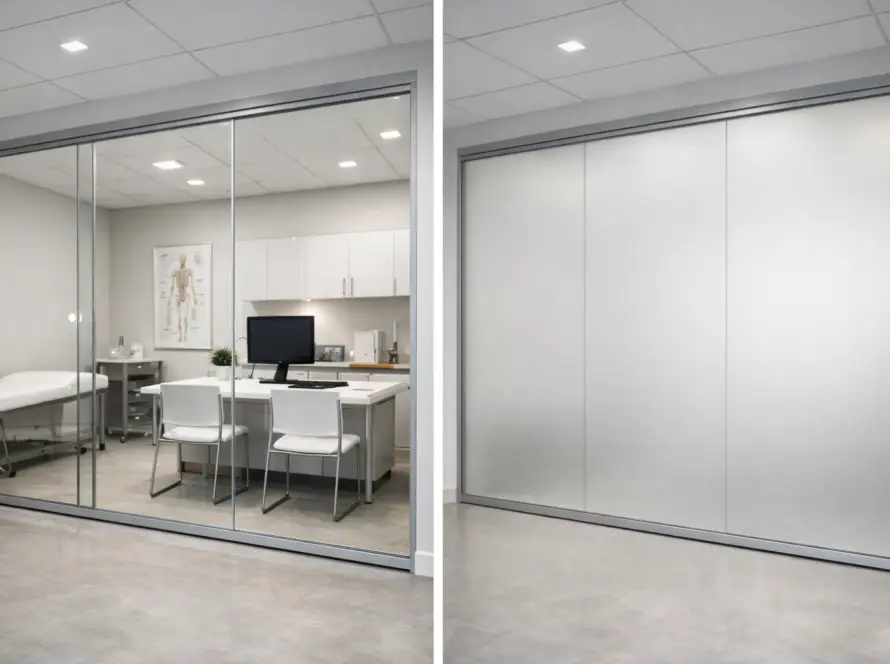
Mistake-Proof Your Switchable Privacy Film Installation: A Technical Guide
Avoid costly errors in PDLC film projects. Learn about correct voltage settings, edge sealing, and professional installation techniques for architects and contractors.
Switchable privacy film, powered by Polymer Dispersed Liquid Crystal (PDLC) technology, is a sophisticated electrical component masquerading as a window treatment. For architects, general contractors, and high-end homeowners, it offers an unparalleled blend of modern aesthetics and functional privacy. However, because it is an active electronic system, the margin for error during installation is slim. A single mistake in handling or wiring can lead to delamination, electrical shorts, or permanent optical haze.
Understanding the technical nuances of PDLC film is essential for a successful deployment. Many failures attributed to the product are actually results of poor site preparation or improper installation techniques. By identifying the most common pitfalls, you can ensure your investment remains durable, clear, and responsive for years to come. If you are currently troubleshooting an existing system, you may find that addressing common privacy film failures involves returning to these fundamental installation principles.
Why is precision measurement non-negotiable for smart film?
The most frequent error occurs before the film even arrives at the job site: inaccurate measurements. Unlike standard decorative window tints, PDLC film cannot be easily "shaved down" on-site without risking damage to the internal conductive layers. The film consists of two layers of PET film coated with a transparent conductive material (ITO), sandwiching the liquid crystal matrix. If you cut into the busbar or trim too close to the electrical contact points, the panel will fail.
To fix this, implement a strict measurement protocol. Use a laser measure for precision and always measure the top, middle, and bottom of the glass pane, as window frames are rarely perfectly square. We recommend an installation tolerance of 1/16-inch to 1/8-inch from the edge of the frame. This "gap" is essential for two reasons: it prevents the film from "bunching" against the frame, which causes bubbles, and it provides the necessary space for proper edge sealing. If the film is even a millimeter too large, the pressure from the frame can cause the liquid crystals to displace, creating permanent "clear spots" in the frosted state.
How does improper glass preparation ruin your installation?
Approximately 80% of visual defects in smart film installations, such as bubbles and "halos," are caused by poor glass cleanliness. Standard glass cleaning is insufficient for PDLC application. Any microscopic speck of dust, oil from a fingerprint, or residue from a previous adhesive acts as a focal point for air pockets. Because the film is applied dry, these contaminants are trapped permanently.
The solution is a multi-stage decontamination process. First, use a heavy-duty glass scraper or a fresh razor blade to remove any physical debris, paint overspray, or silicone residue. Follow this with a high-purity isopropyl alcohol (90% or higher) wipe-down. Avoid standard blue glass cleaners, as many contain soaps or surfactants that leave a film, interfering with the smart film’s adhesive bond. Use lint-free microfiber cloths or specialized glass wipes. Professionals often use a "double-wipe" method: one wet wipe with alcohol followed immediately by a dry wipe to ensure no streaks remain.
Why should you never use water during PDLC film application?
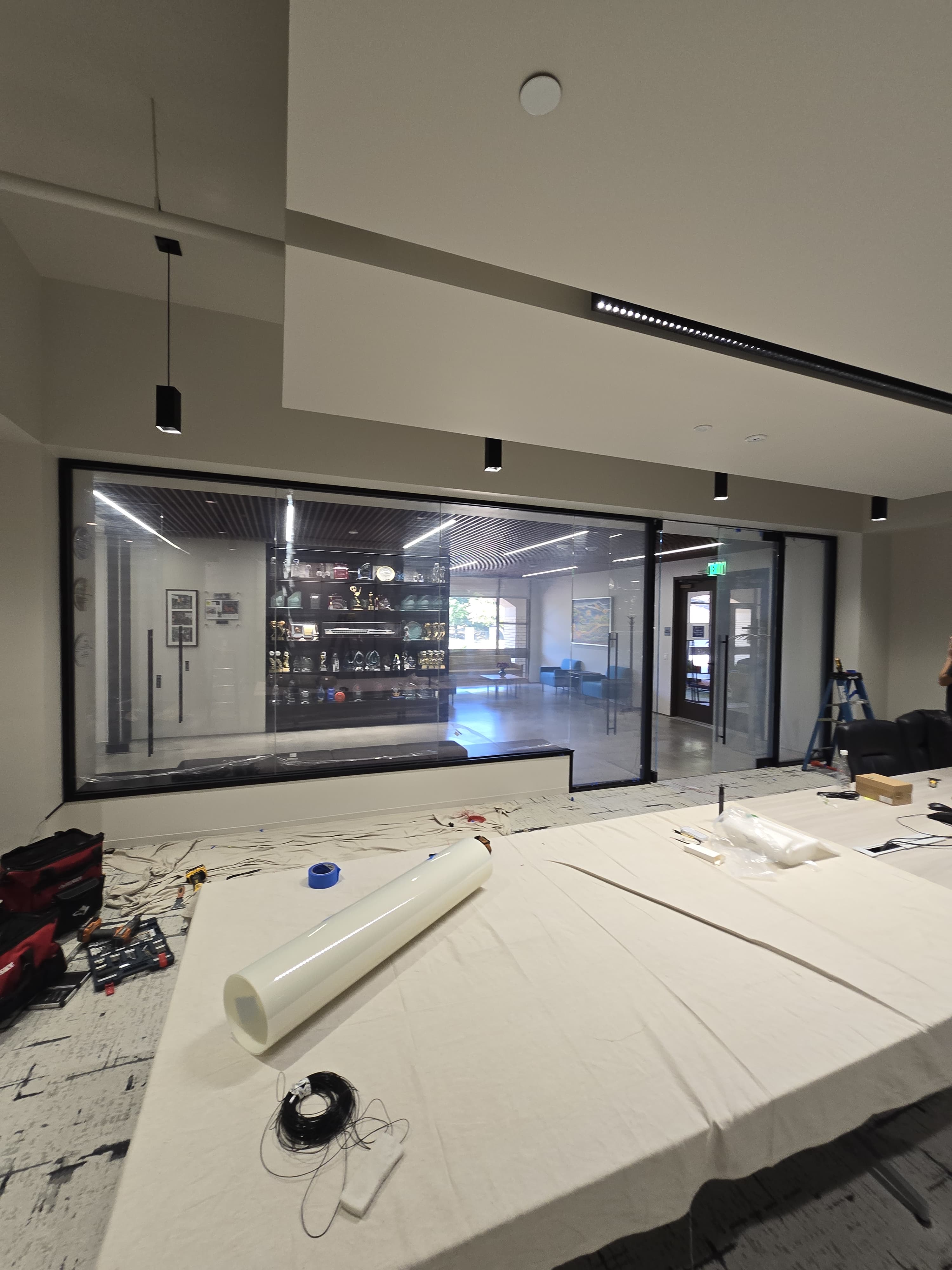
The most catastrophic mistake an installer can make is using a "wet install" method. Standard window films are applied using a slip solution of water and soap, allowing the installer to slide the film into place. Switchable privacy film is an electrical device. Introducing moisture to the edges of the film during installation will cause immediate and irreversible damage to the ITO conductive layers.
Dry installation is the only approved method for professional smart film installation. This requires a higher level of skill and patience. The film must be positioned perfectly the first time, or peeled back very carefully in small increments to remove air. Using a squeegee with a soft felt edge is necessary to apply firm, even pressure without scratching the PET surface. If you see an installer reaching for a spray bottle, stop the project immediately. Moisture infiltration leads to "browning" at the edges and eventual electrical failure.
What happens when you use the wrong voltage or transformers?
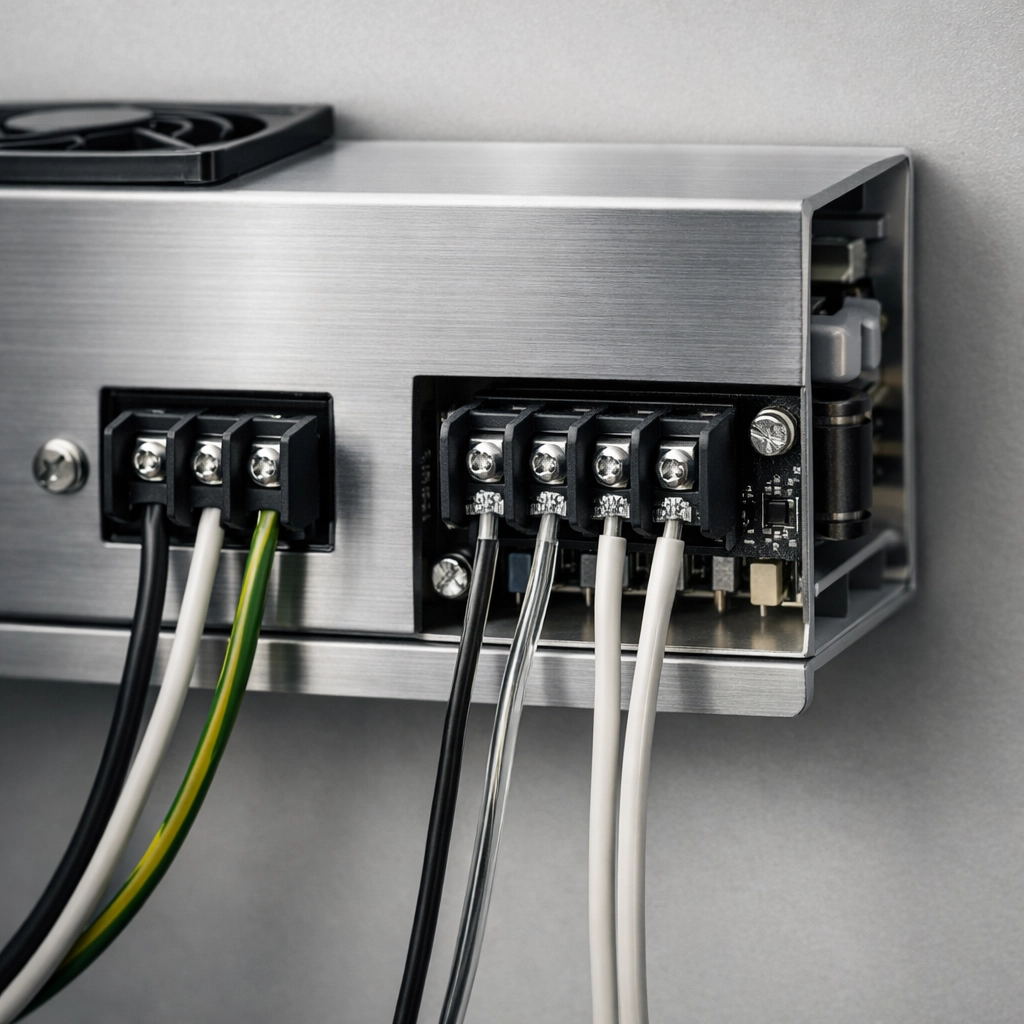
PDLC film operates on alternating current (AC), typically ranging from 48V to 60V depending on the manufacturer’s specifications. A common mistake is using a DC power source or a transformer with the incorrect voltage output. Supplying too much voltage can "burn" the liquid crystals, leading to permanent opaque spots. Conversely, insufficient voltage results in a "lazy" switch, where the film looks hazy or milky even when turned on.
Always use the dedicated transformer provided by the manufacturer. These units are engineered to handle the specific capacitive load of the smart film panels. Furthermore, ensure that the transformer is sized correctly for the total square footage of the film. Overloading a small transformer will lead to overheating and premature component failure. For large-scale custom smart glass systems, the electrical layout should be designed by a technician who understands the amperage requirements of the PDLC matrix.
Why is edge sealing the most overlooked step in durability?
Even if the installation looks perfect on day one, it can fail within months if the edges are not properly sealed. The edges of the film are the most vulnerable point of the system. Humidity, cleaning fluids, and atmospheric contaminants can migrate into the film layers, causing delamination.
The fix is the application of a specialized, non-acidic (neutral cure) silicone sealant along the entire perimeter of the film. Many contractors make the mistake of using standard bathroom silicone. These often contain acetic acid (which smells like vinegar), which will eat through the conductive ITO coating of the smart film. Ensure you are using a neutral-cure silicone that is chemically compatible with PDLC materials. This seal acts as a barrier, protecting the internal chemistry of the film from the environment.
How do low-quality PDLC films compromise long-term performance?
In an attempt to reduce costs, some project managers opt for "generic" smart films. Low-quality films often suffer from high "haze" levels (where the glass never looks truly clear) and poor UV resistance. Over time, inferior films will yellow when exposed to direct sunlight, a process known as photodegradation.
Professional-grade smart film is engineered with high-efficiency UV inhibitors that block 99% of harmful rays. This not only protects the film itself but also prevents the fading of interior furnishings. High-quality films also offer better "clarity angles." Lower-end products often look clear from a direct 90-degree angle but become hazy when viewed from the side. You can explore our recent smart film projects to see the visual clarity achieved by using premium, commercial-grade materials in various lighting conditions.
Why does poor wiring concealment devalue your property?
The final mistake is aesthetic: visible wires. Nothing ruins the "wow factor" of switchable glass faster than a messy wire hanging from the corner of a window or a visible busbar. In professional installations, the goal is to make the technology invisible.
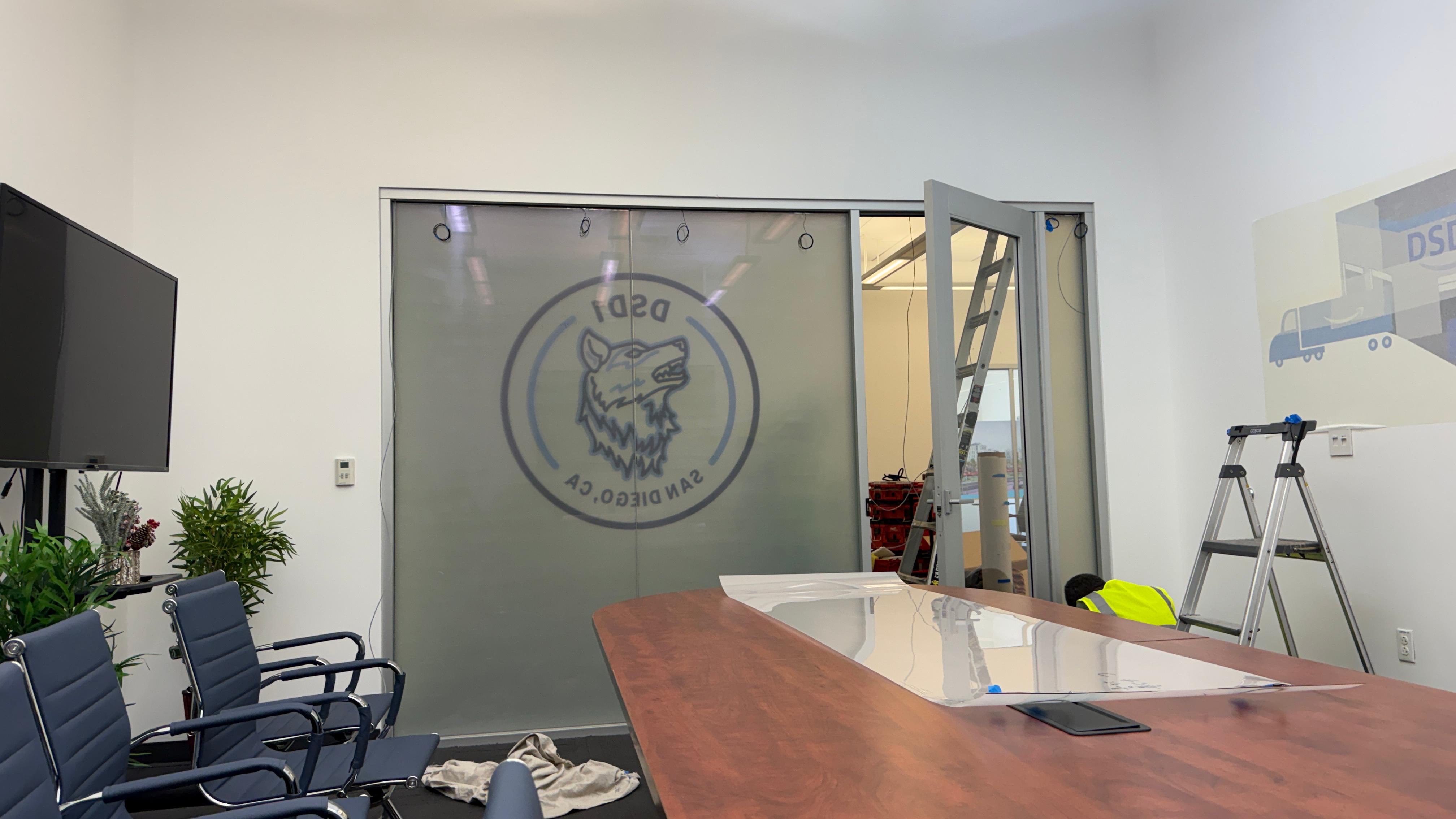
For contractors, this means planning the wire runs before the walls are closed or the window trim is finalized. Fix this by using specialized "power transfer" hinges for doors or drilling discrete channels through window mullions to hide the leads. The busbar, the thin copper strip that carries the current to the film, should always be hidden behind a decorative trim, a window stop, or a professional-grade "black-out" border. Clean wiring is the hallmark of an expert installation and ensures the system adds to the property's value rather than looking like an aftermarket add-on.
FAQ
Does smart film require a lot of electricity?
No. PDLC film is highly energy-efficient, typically consuming approximately 5 watts per square meter when in the clear (ON) state. When it is opaque (OFF), it consumes zero power. This makes it a sustainable choice for large-scale commercial buildings.
Can I clean smart film with standard glass cleaner?
You must avoid any cleaners containing ammonia or strong acids. After the film is installed and sealed, use a soft, damp cloth with mild soapy water or a dedicated electronic-safe cleaner. Never spray liquid directly onto the film; spray the cloth first and then wipe.
How long does switchable privacy film last?
When installed correctly and used with the proper transformer, high-quality PDLC film is rated for over 100,000 to 200,000 switches. In practical terms, this translates to a lifespan of 10 to 20 years in a standard office or residential environment.
Why is my smart film staying partially frosted?
This is usually a sign of a "voltage drop" or a poor electrical connection. If the wires used are too thin for the length of the run, the resistance prevents the full voltage from reaching the film. It could also indicate that the busbar is beginning to detach from the conductive layer.
Is it possible to install smart film in a bathroom?
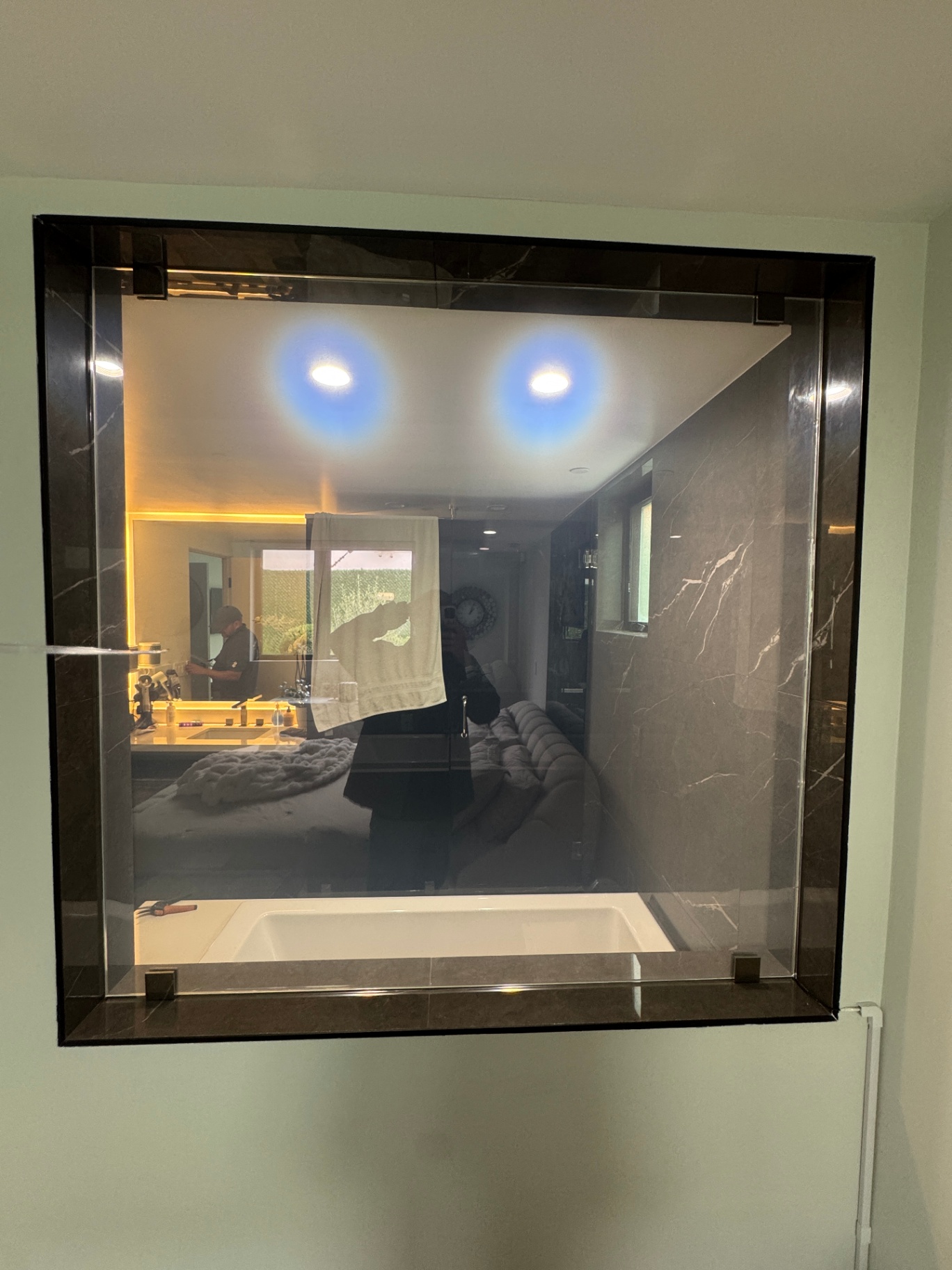
Yes, but it requires expert edge sealing. Because bathrooms are high-moisture environments, the neutral-cure silicone seal must be perfect to prevent steam and water from entering the film layers. You can see examples of this in our completed installations involving high-moisture zones.
Protecting Your Investment
Avoiding these seven mistakes requires a shift in perspective: you must treat switchable film as an electrical installation rather than a standard glazing task. From the initial measurement to the final bead of silicone, every step requires technical precision. When these factors are managed correctly, the result is a flawless, high-performance privacy solution that enhances both the utility and the sophistication of the space.
The complexity of PDLC technology means that professional oversight is often the most cost-effective path. Mistakes in this field are expensive, as damaged film cannot be repaired: only replaced. To ensure your project meets the highest standards of durability and clarity, request a custom quote from our technical team. We provide the engineering support and high-grade materials necessary to avoid these pitfalls entirely.
For more information on technical specifications or to discuss your project requirements, contact Smart View Smart Film Solutions at (866) 728-9888.