Smart Glass Automation Mistakes: 7 Top Fixes (2026)
Smart-home integration on switchable glass is one of the higher-leverage upgrades on a residential install — your privacy glass joins your lighting, climate, and security systems on a single control surface. Done well, it disappears into the routines you already have. Done badly, it adds a layer of complexity that the homeowner ends up bypassing entirely with a wall switch.
This guide catalogs the most common smart glass automation mistakes we see on LA residential projects, with the fix for each. Every mistake below has surfaced multiple times in the last year — usually on installs where the smart-home spec was an afterthought rather than part of the original glass spec.
The Pattern Behind These Smart Glass Automation Mistakes
Almost every smart glass automation mistake we encounter clusters into one of two patterns: spec’ing the integration after the glass goes in (forcing reactive wiring and platform compromises) or treating switchable glass as a separate sub-system from the rest of the smart home (instead of a single device on the same controller). Both patterns are preventable with a 30-minute conversation during the design walk.
The seven smart glass automation mistakes below are the specific failure modes we see most often across Lutron, Savant, Crestron, and voice-assistant integrations.
Mistake #1 — Specifying the Smart-Home Platform After Glass Is Installed
The problem. Homeowner picks a smart-home platform (Lutron, Savant, Crestron) AFTER the switchable glass is already on the wall. Now the wiring run for the control leg is wrong, the driver location doesn’t match the platform’s wiring conventions, and integration becomes a custom one-off.
The fix. Pick the smart-home platform during the original glass spec. The integrator and the glass installer can coordinate the control leg, driver placement, and command structure on the same site visit. Same labor, dramatically cleaner result.
Mistake #2 — Treating Switchable Glass as a Standalone Switch
The problem. Homeowner has Lutron lighting, Savant audio, and ecobee climate — but the switchable glass gets a separate dedicated wall switch that sits outside the smart-home controller. Now privacy state can’t be part of any scene or routine.
The fix. Wire the switchable glass as a low-voltage device on the existing smart-home controller. Lutron RadioRA, Caseta, and Homeworks all support generic low-voltage outputs that handle PDLC perfectly. Same for Savant and Crestron. Once it’s on the controller, “movie night” automatically frosts the windows.
Mistake #3 — Wiring a Single Master Switch for Multi-Room Glass
The problem. A homeowner with switchable glass in three rooms wires them to one master switch. Now it’s all-rooms-private or all-rooms-clear — no per-room control. Tenants of the home end up requesting per-room separation as a punch-list item.
The fix. Spec a per-room control circuit during initial wiring. The smart-home controller can still trigger global “all private” scenes when needed, but per-room control gives the homeowner the granularity they actually want day-to-day.
Mistake #4 — Skipping the Voice-Assistant Test During Commissioning
The problem. Integration with Alexa or Google Home is set up at install but never tested with multiple users on multiple devices. First time the homeowner’s spouse tries to use voice control, the device routing fails because the original setup was tied to one Amazon account.
The fix. Test voice control with every household member’s device during commissioning. Confirm the smart glass is discoverable, named clearly (not “Bedroom Switch 3”), and works from each user’s account.
Mistake #5 — Not Building a “Power Out” Routine
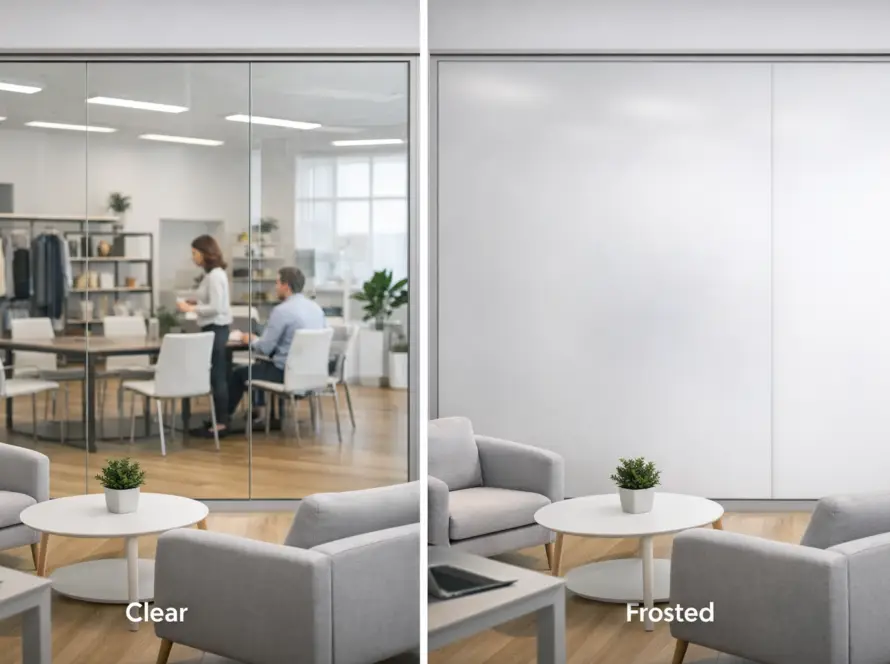
The problem. Switchable PDLC film defaults to frosted on power loss — which most homeowners actually want, but only after they’re briefed on it. Without a brief, the first power flicker gets reported as “the smart glass broke.”
The fix. Build a one-paragraph brief into the welcome packet explaining default-state-frosted behavior, and (optionally) integrate a “power restored” notification in the smart-home controller so the homeowner knows the windows are back to default-clear behavior.
Mistake #6 — Mixing Voltages Across Driver and Controller
The problem. Cheap online drivers ship with non-standard voltage outputs that don’t match what Lutron / Savant / Crestron expect. Integrator gets called in to debug; ends up swapping the driver mid-project.
The fix. Always spec a driver from the film manufacturer’s approved-integrator list. Cost difference is negligible; compatibility headaches disappear.
Mistake #7 — Not Documenting the Integration for Future Service Calls
The problem. Three years post-install, the homeowner needs to swap one component (driver, switch, controller). The integration documentation lives only in the original integrator’s head. Service call becomes a re-discovery exercise.
The fix. Provide the homeowner with a one-page integration map — what’s wired to what, on what circuit, controlled by which platform — at handoff. Tape it to the inside of the breaker panel. Future service calls take 15 minutes instead of 90.
How These Smart Glass Automation Mistakes Compound on Larger Homes
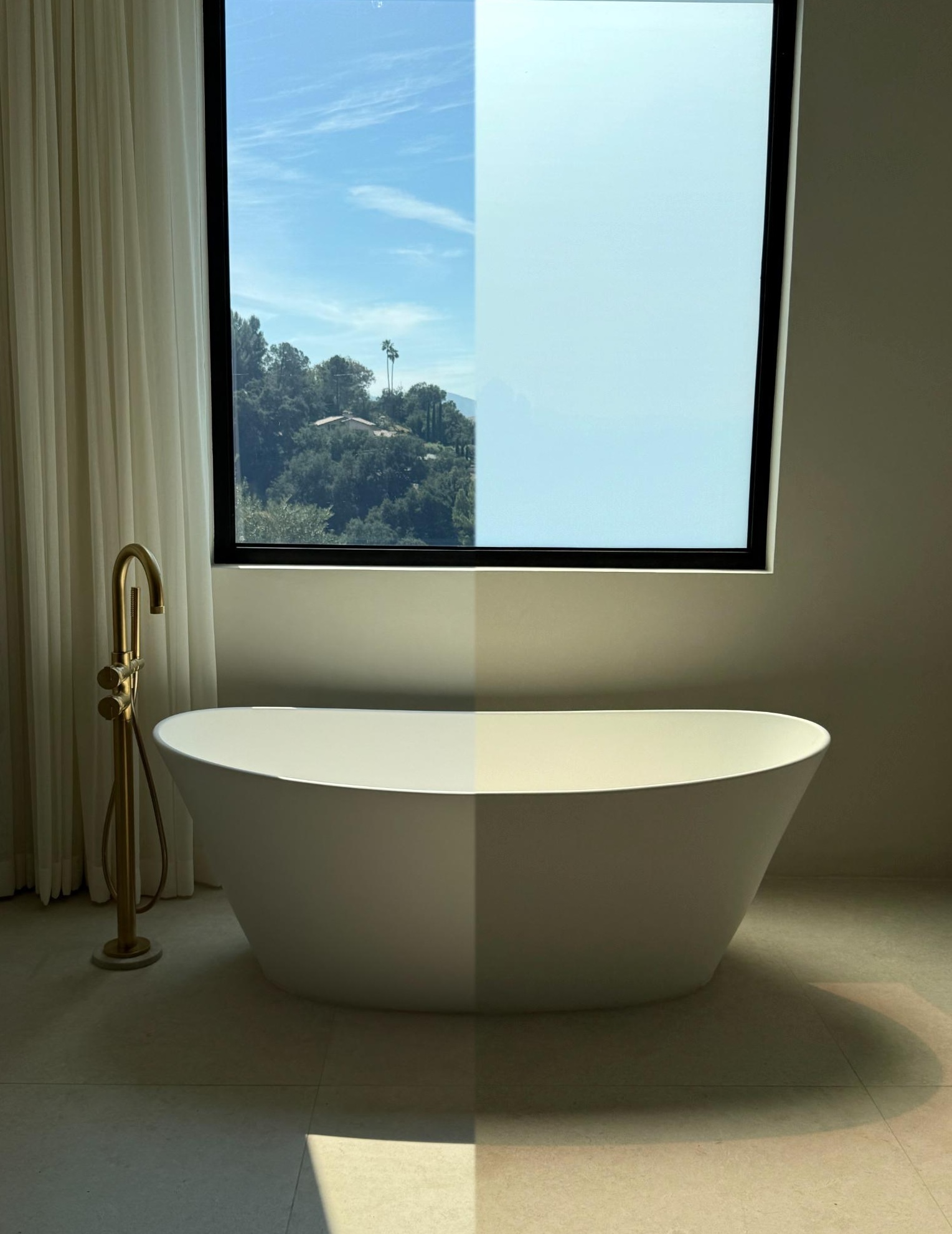
On a single bathroom window, any one of these mistakes is recoverable. On a 5,000 sq ft home with switchable glass on French doors, bedrooms, and bath, the same mistakes repeated across every room turn into a months-long debugging project. Most homeowners absorb the cost as “smart-home stuff is just like that” — it doesn’t have to be.
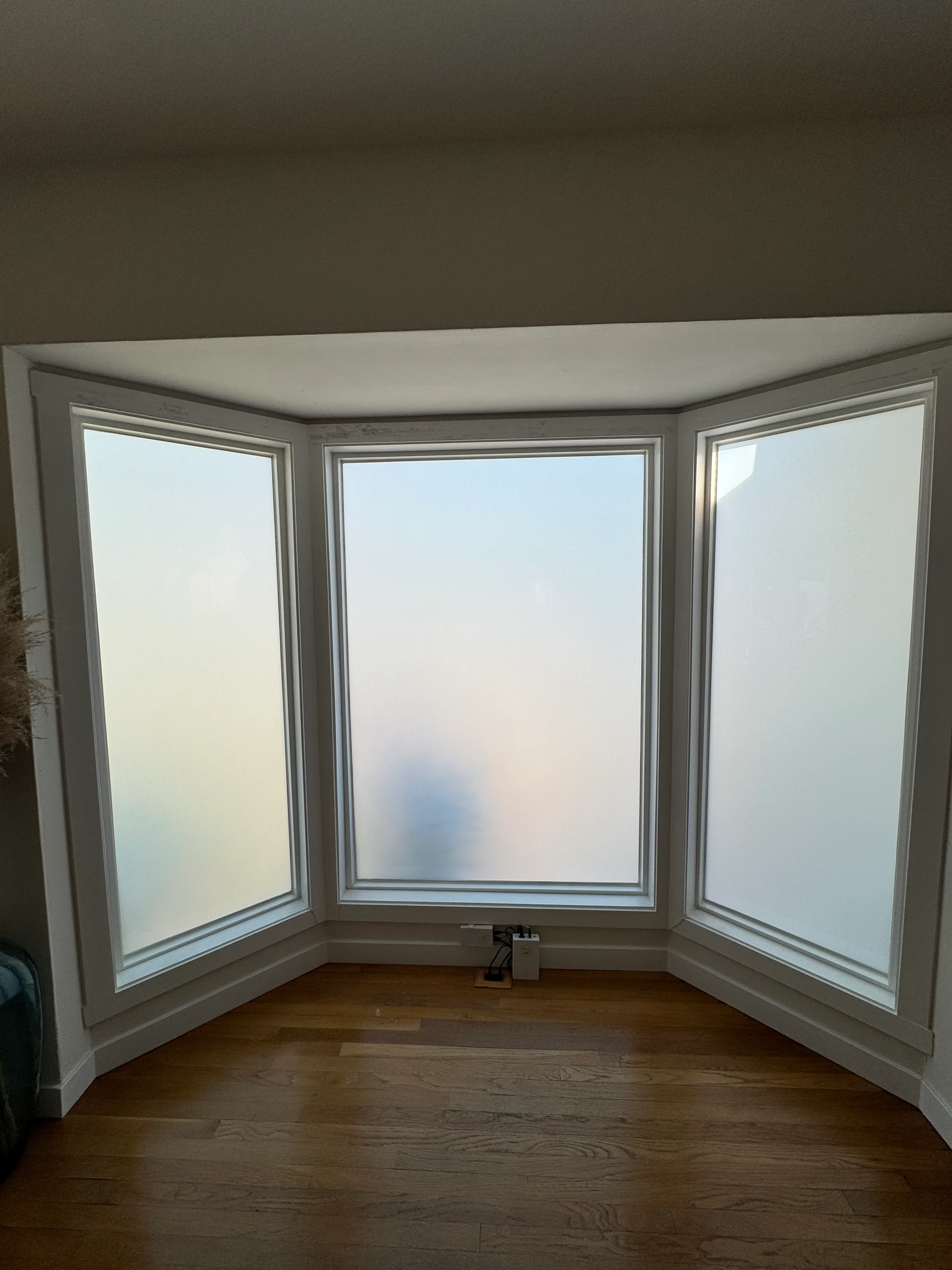
The product layer matters too — for technical context on what smart film actually is and why it integrates the way it does, see our smart glass PDLC page for the underlying spec.

A Beverly Hills Front-Door Reference
For a concrete example of the smart glass automation mistakes above caught and fixed during the design walk, our Beverly Hills front-door install is a good reference. Original spec had a standalone switch (mistake #2) and no Lutron tie-in (mistake #1). We caught both during the design conversation; final install integrates with the existing Lutron Caseta system.
Full project breakdown: smart glass front door in Beverly Hills — same playbook, single residential scope.

Planning a Smart-Home Smart Glass Install?
If you’re spec’ing switchable glass and you want it integrated with an existing or planned smart-home system from day one, we’ll walk you through platform fit, control wiring, and commissioning during the consult — before any glass is ordered.
Contact Smart View with your platform of choice, room count, and timeline, and we’ll flag which of these 7 mistakes are baked into the current spec.